Australian confidence hits pandemic low as inflation expectations surge before RBA hike

2026-03-17 02:31:00
Australian consumer confidence hits pandemic-era lows while inflation expectations surge ahead of an expected RBA rate hike:
Summary:
-
ANZ–Roy Morgan Australian Consumer Confidence fell to 68.5, the lowest level since March 2020 when pandemic lockdowns began.
-
Households are becoming increasingly pessimistic about both the one-year and five-year outlook for the economy.
-
The deterioration in sentiment appears linked to geopolitical uncertainty and shifting expectations around inflation and interest rates.
-
Inflation expectations remain elevated, reaching their highest level since November 2022, partly driven by a sharp rise in petrol prices.
-
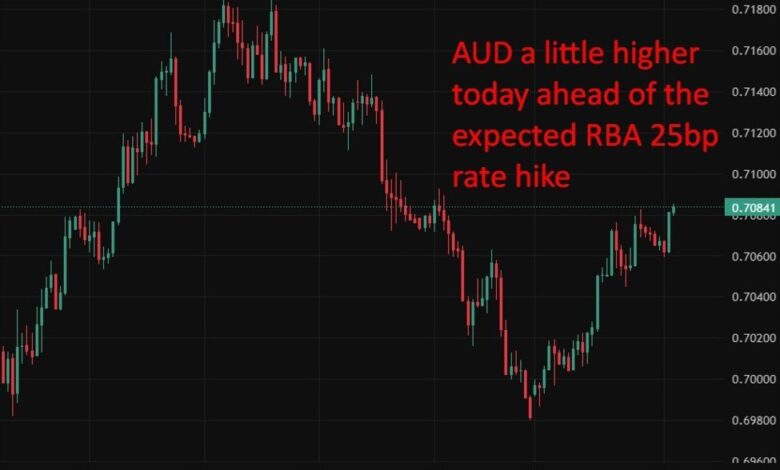
The weak sentiment data arrives just hours before the Reserve Bank of Australia’s policy decision, where markets expect a 25bp rate hike to 4.1%.
-
With inflation still above target and the labour market tight, policymakers may show limited tolerance for energy-driven inflation shocks.
Australian consumer sentiment has fallen to its weakest level since the early stages of the COVID-19 pandemic, underscoring growing anxiety among households as the country faces rising energy costs and renewed inflation risks.
The ANZ–Roy Morgan consumer confidence index dropped to 68.5 points, its lowest reading since March 2020 when the first nationwide lockdowns were announced. The decline highlights a sharp deterioration in household sentiment as Australians grapple with a more uncertain economic environment.
Survey results indicate households are increasingly pessimistic about both the short-term and longer-term outlook for the economy. Confidence in the economic outlook over the next year and the next five years has weakened notably, reflecting heightened geopolitical uncertainty and concerns that inflation may remain higher for longer than previously expected.
A key driver of those concerns appears to be the renewed rise in inflation expectations. The survey showed that expectations for future inflation remain at their highest level since November 2022. The increase is partly linked to the recent surge in petrol prices, which tends to have an outsized impact on household perceptions of inflation because fuel costs are highly visible and affect everyday spending.
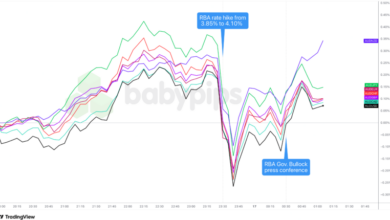
The data arrives just ahead of the Reserve Bank of Australia’s policy decision, where markets widely expect the central bank to raise the cash rate by 25 basis points to 4.1%.
Policymakers are balancing several competing forces. While consumer confidence has weakened significantly, inflation remains above the RBA’s 2–3% target range and the labour market continues to be viewed as tight. In that environment, central bank officials may be less willing to tolerate additional inflationary pressure from external shocks such as rising oil prices.
Higher energy prices tied to geopolitical tensions have already begun to filter through to inflation expectations, potentially complicating the central bank’s task.
For the RBA, maintaining credibility on inflation control may take priority even as household sentiment deteriorates, particularly if policymakers judge that inflation risks remain skewed to the upside.
The combination of record-low consumer confidence and elevated inflation expectations highlights the difficult environment facing policymakers as they attempt to bring inflation back to target without triggering a deeper slowdown in economic activity.