ICYMI: Goldman Sachs & Barclays warn sustained oil surge could push US inflation toward 3%

2026-03-10 02:22:00
Summary of weekend notes ICYMI:
-
Higher oil prices linked to geopolitical tensions could lift U.S. inflation if the increase persists for several months.
-
Goldman Sachs estimates a sustained 10% rise in oil prices could add about 0.28 percentage points to headline CPI.
-
In one scenario, U.S. inflation could rise from 2.4% to around 3% if oil increases by about $10 and remains elevated for three months.
-
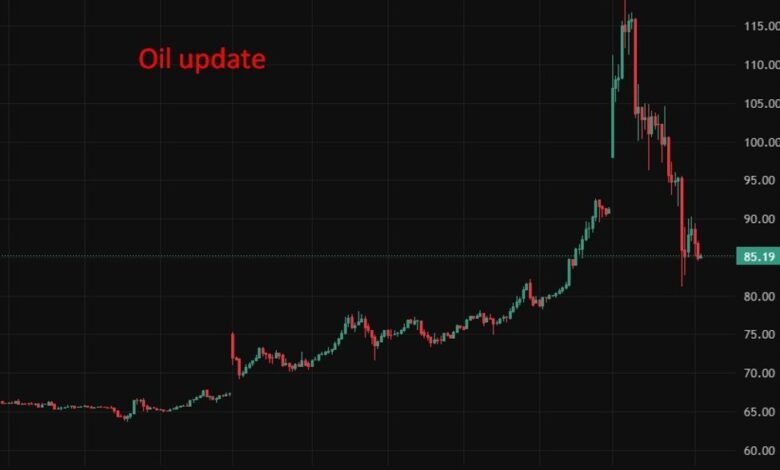
Barclays says oil near $100 per barrel would push headline inflation higher, mainly through gasoline prices.
-
However, the bank expects limited spillover into core inflation unless energy prices remain elevated for an extended period.
-
A prolonged oil surge could complicate expectations for Federal Reserve rate cuts.
A sustained rise in oil prices driven by geopolitical tensions could push U.S. inflation higher, though economists say the scale of the impact will depend largely on how long prices remain elevated.
According to analysis from Goldman Sachs, a persistent increase in energy costs could feed into consumer price inflation relatively quickly. The bank estimates that a 10% rise in crude oil prices would increase overall U.S. consumer price index (CPI) inflation by roughly 0.28 percentage points.
In one scenario outlined by the bank, if oil prices were to rise by around $10 per barrel and remain elevated for three consecutive months, annual U.S. CPI inflation could increase from about 2.4% in January to roughly 3% by May.
Barclays also notes that higher oil prices would clearly push headline inflation higher, particularly if crude approaches $100 per barrel. However, the bank expects the initial inflation impact to be concentrated in energy costs rather than broader price pressures.
The key transmission channel is gasoline prices. Crude oil accounts for roughly half of the final price motorists pay at the pump, with refining, distribution and other costs making up the remainder. Historically, gasoline prices tend to reflect about 50–60% of changes in crude oil prices, with most of the adjustment typically occurring within two to three weeks.
Because of this dynamic, oil shocks tend to show up first in headline inflation, while the impact on core inflation, which excludes food and energy, is usually smaller and slower.
Barclays also emphasises that the current macroeconomic environment differs from the conditions that followed Russia’s invasion of Ukraine in 2022. At that time, inflation pressures were amplified by strained supply chains and strong demand supported by fiscal stimulus.
Today, the backdrop appears softer, with moderating consumer spending, somewhat looser labour market conditions and inflation already trending lower.
Under its baseline outlook, Barclays expects headline U.S. inflation around 2.7% year-on-year and core inflation near 2.8% by late 2026, assuming oil prices do not remain elevated for a prolonged period.
However, both banks note that a sustained period of oil prices near $100 per barrel could lift inflation closer to 3%, potentially delaying expectations for Federal Reserve interest-rate cuts if higher energy costs begin to influence inflation expectations.
—
Nearer term, expectations via Wall Street Journal:
Data is due on Wednesday, March 11, 2026 at 8.30am US Eastern time.