Iran plans shipping levies in Gulf. Trump warns massive retaliation if oil flows disrupted

2026-03-10 01:02:00
Iran signals shipping pressure in Gulf while Trump warns of massive retaliation if oil flows are disrupted.
Summary:
-
Iran is reportedly preparing “security duties” on ships linked to U.S.-allied countries in the Persian Gulf, signalling potential leverage over oil flows.
-
Iranian sources claim Tehran holds influence over global oil prices through its position around the Strait of Hormuz.
-
The Strait is one of the world’s most critical energy chokepoints, carrying roughly one-fifth of global oil shipments.
-
Meanwhile, Donald Trump warned Iran would face overwhelming military retaliation if it disrupts oil flows through the strait.
-
Trump also suggested the U.S. is not currently close to deciding on deploying troops to secure Iran’s nuclear stockpile.
-
The escalating rhetoric underscores growing geopolitical risk to energy markets.
Iran is reportedly preparing new measures targeting shipping linked to countries allied with the United States, signalling that Tehran may seek to use control over regional energy routes as leverage in its confrontation with Washington.
According to a source familiar with the leadership’s strategy, Iranian authorities are finalising plans to impose what have been described as “security duties” on oil tankers and commercial vessels associated with U.S.-aligned nations operating in the Persian Gulf.
The source suggested Iran views the Strait of Hormuz as effectively under its influence and believes it holds significant sway over global oil prices due to its strategic position along the key shipping corridor.
The Strait of Hormuz is one of the world’s most important energy chokepoints. Roughly a fifth of global oil shipments pass through the narrow waterway linking Gulf producers with international markets. Any disruption to shipping through the strait can quickly ripple through global energy prices and financial markets.
Iranian officials have repeatedly signalled that energy markets could be continue to be affected if the conflict with the United States escalates further. The source indicated Tehran believes it has the ability to further influence global energy costs and suggested the confrontation could continue until political conditions change in Washington.
Meanwhile, U.S. President Donald Trump issued a strongly worded warning about the consequences of any attempt by Iran to restrict oil shipments through the strait.
In comments posted on social media, Trump said the United States would respond with overwhelming force if Tehran took action to halt oil flows through the corridor. He warned that Iran could face far more severe military strikes than it has experienced so far if such a scenario unfolded.
At the same time, Trump framed the continued openness of the strait as a benefit for countries that rely heavily on energy imports from the Gulf, particularly China and other major consumers.
Separately, Trump signalled that Washington is not close to deciding whether to deploy U.S. troops into Iran to secure the country’s nuclear stockpiles, suggesting that option remains under consideration but is not imminent.
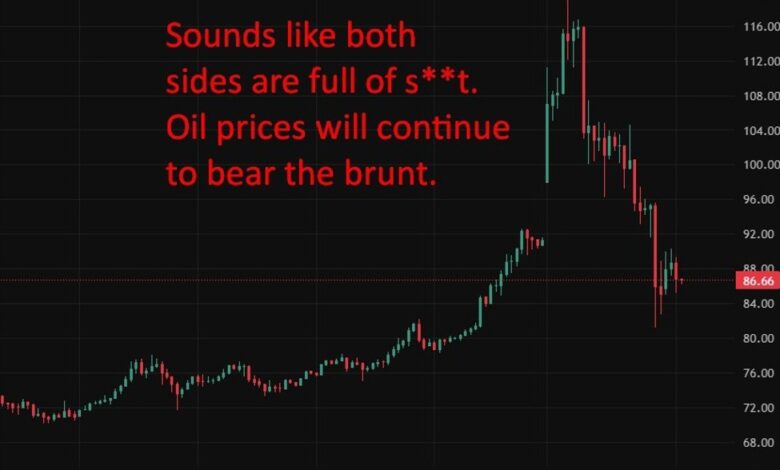
Taken together, the statements from both sides highlight rising tensions surrounding the security of oil flows through the Persian Gulf. For markets, the trajectory of shipping through the Strait of Hormuz remains one of the most closely watched factors shaping the outlook for global energy prices.