2026-03-05 09:11:00
- We have to use different scenarios after Iran attacks
- Baseline scenario is that it will be a short conflict
- Other scenario is that it will be more protracted
- Market reaction has been orderly
- ECB should change its policy stance if inflation expectations change as a result of the Iran war
- To look out for any steady modification of inflation and inflation expectations
- The longer the war lasts, the bigger the risk that inflation expectations change
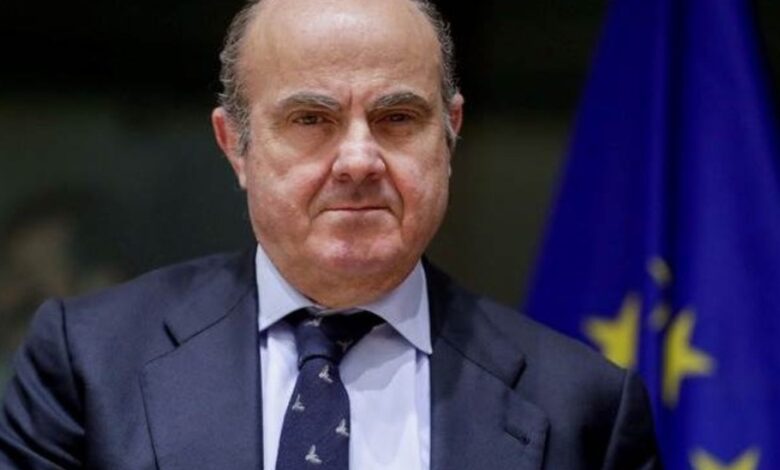
European Central Bank Vice President Luis de Guindos has signalled that while market reactions to the US-Iran war remain “orderly,” the central bank is prepared to pivot its monetary policy should the conflict begin to structurally alter inflation expectations.
In a series of remarks outlining the ECB’s risk assessment, de Guindos emphasized that the duration of the conflict is now the primary variable for Eurozone price stability.
The ECB is currently weighing two primary geopolitical scenarios to determine the future path of interest rates:
-
The Baseline (Short-Term): A contained, brief conflict with minimal long-term disruption to energy markets or supply chains that doesn’t require a change in interest rates.
-
The Protracted Conflict: A more long lasting war that creates sustained upward pressure on energy costs and shipping logistics requiring a rate hike.
The ECB is shifting its focus away from temporary price spikes and toward “steady modifications” in economic data. The Vice President noted that the bank’s policy stance would need to be reassessed if businesses and consumers begin to expect higher prices as a consequence of the new geopolitical landscape. For now, the ECB remains in a “wait and see” mode.