


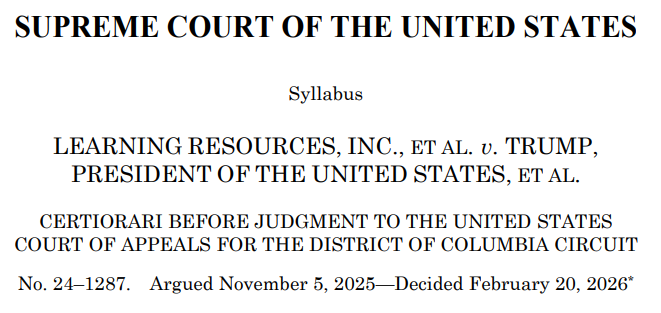
Over the weekend, US President Donald Trump announced a raft of new tariffs in response to a Supreme Court decision that ruled many of his previous tariff hikes unconstitutional.
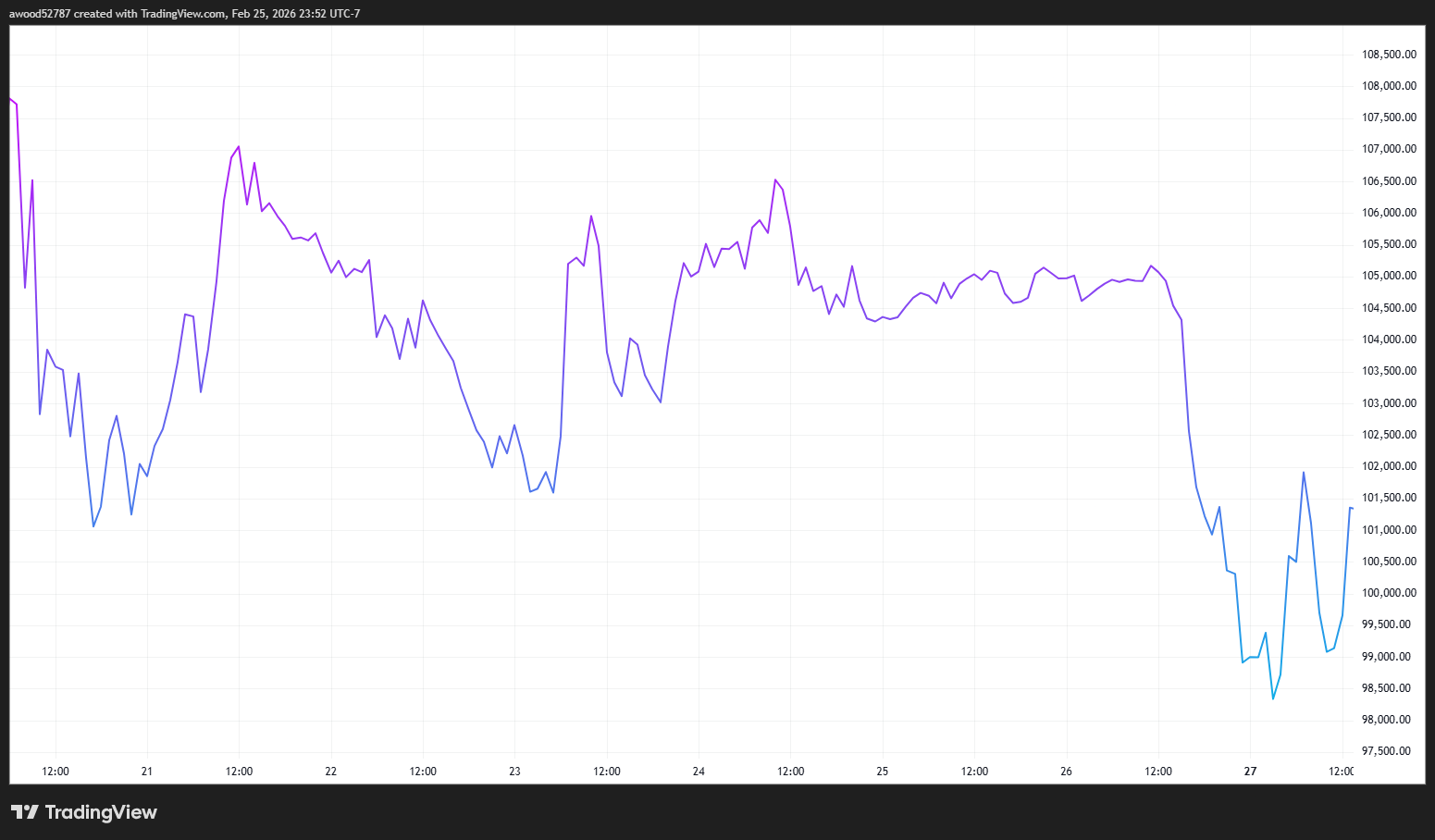
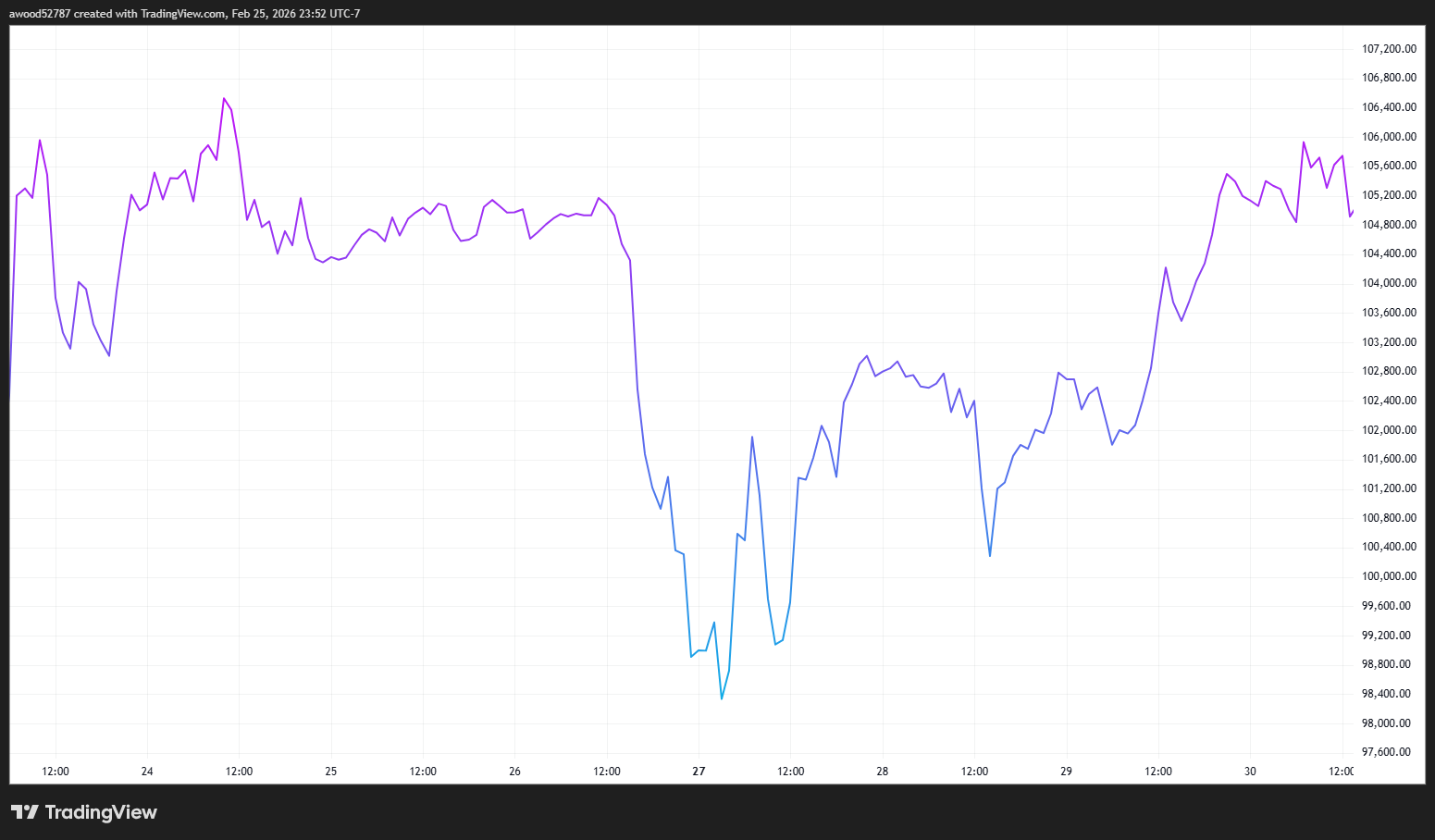
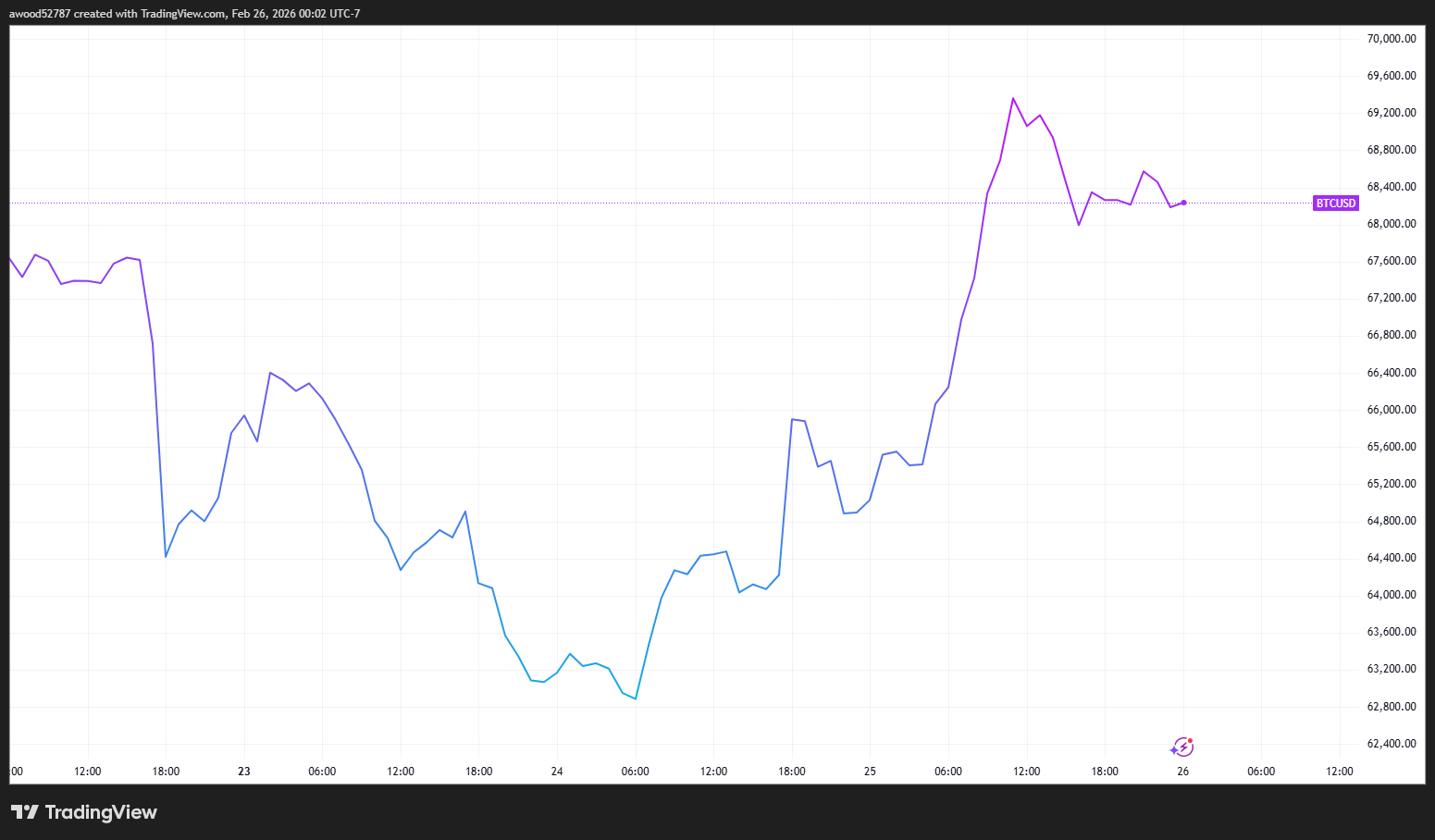
Following news of the tariff hikes, crypto markets tumbled in an all-too-familiar pattern that has plagued the industry since April 2025, when Trump introduced the first spate of aggressive tariffs.
Analysts have long noted the downward pressure these tariffs have put on crypto markets. But the US’ 47th president also has the distinct ability to pump markets.
Bullish comments from the White House have also moved the needle, meaning both Trump’s actions and statements are influential. Here’s a look at the times Trump has moved crypto markets.
Jan. 20, 2025: WLFI goes shopping before inauguration
The Trump family’s crypto project, World Liberty Financial (WLFI), bought several different tokens just hours before he took his oath on Jan. 20, 2025. The tokens included wrapped Bitcoin (WBTC), Ether (ETH), Tron (TRX), Aave (AAVE), Ethena (ENA) and Chainlink (LINK).
The aggressive buying was a strong pro-crypto signal in the lead-up to his official blockchain agenda.
Bitcoin’s price increased 4.5% after 24 hours. The seven-day chart showed a decrease of 1.47%.
Jan. 23, 2025: Trump announces crypto task force
Trump signed executive order 14178 just three days after he took office. The order banned the possibility of a US central bank digital currency and founded the Presidential Working Group on Digital Asset Markets to “strengthen U.S. leadership in digital finance.”
This marked the beginning of the Trump administration’s pro-crypto agenda. As neatly summarized by pro-crypto Senator Cynthia Lummis that same day, “Big things are coming.”
Bitcoin’s price increased 1.34% on the day. On the week, it saw a small gain of 0.79%.
March 2-7, 2025: “Crypto Reserve” announced
Trump announced a proposal for a US “Crypto Reserve,” which listed several major tokens as strategic digital assets.
Just four days later, he signed an order to establish the Strategic Bitcoin Reserve and US Digital Asset Stockpile. The former would comprise Bitcoin (BTC) seized by federal authorities in the course of law enforcement operations. The latter included a basket of different assets, notably XRP (XRP), Solana (SOL) and Cardano (ADA).
Some Bitcoin advocates were disappointed, as they expected the federal government to include a plan to purchase Bitcoin.
Immediately following the executive order, the White House held its first “Crypto Summit,” which brought industry leaders and officials together to discuss digital asset policy. Trump said, “This is a tremendous opportunity for economic growth and innovation in our financial sector and will really go a long way.”
Bitcoin’s price remained relatively unaffected for 24 hours after, decreasing 0.75%. On the week, it lost 2.56%.
March 17, 2025: WLFI token sale completion
World Liberty Financial’s public token sale concluded with an estimated $550 million in WLFI tokens sold, marking one of the largest fundraising events tied to the Trump-linked project to date.
Critics and observers began to raise concerns over Trump’s ability to influence policy — which immediately affects him and his family’s personal wealth. The Trump family has reportedly earned over $1 billion from WLFI since the project’s inception.
Bitcoin’s price decreased briefly by 1.59% on the day. Its weekly chart saw an improvement of a 3.5% gain.
March 20, 2025: Blockworks Digital Asset Summit address
Trump delivered a pre-recorded keynote address at the Blockworks Digital Asset Summit in New York City, promoting US leadership in crypto and clearer legislative frameworks.
Trump criticized the Biden administration’s policies on crypto, stating that he would immediately end the “lawless” enforcement actions against crypto companies that started under “Operation Chokepoint 2.0.”
The event was not Trump’s first crypto conference appearance. But it did mark his first as a sitting president and reflected his readiness to engage with the crypto industry at its own events and platforms. “It’s not gonna be easy, but we’re way ahead,” he said.
Bitcoin’s price was relatively unchanged on the 24-hour chart, down only by 0.1%. On the week, it rose +3.46%.
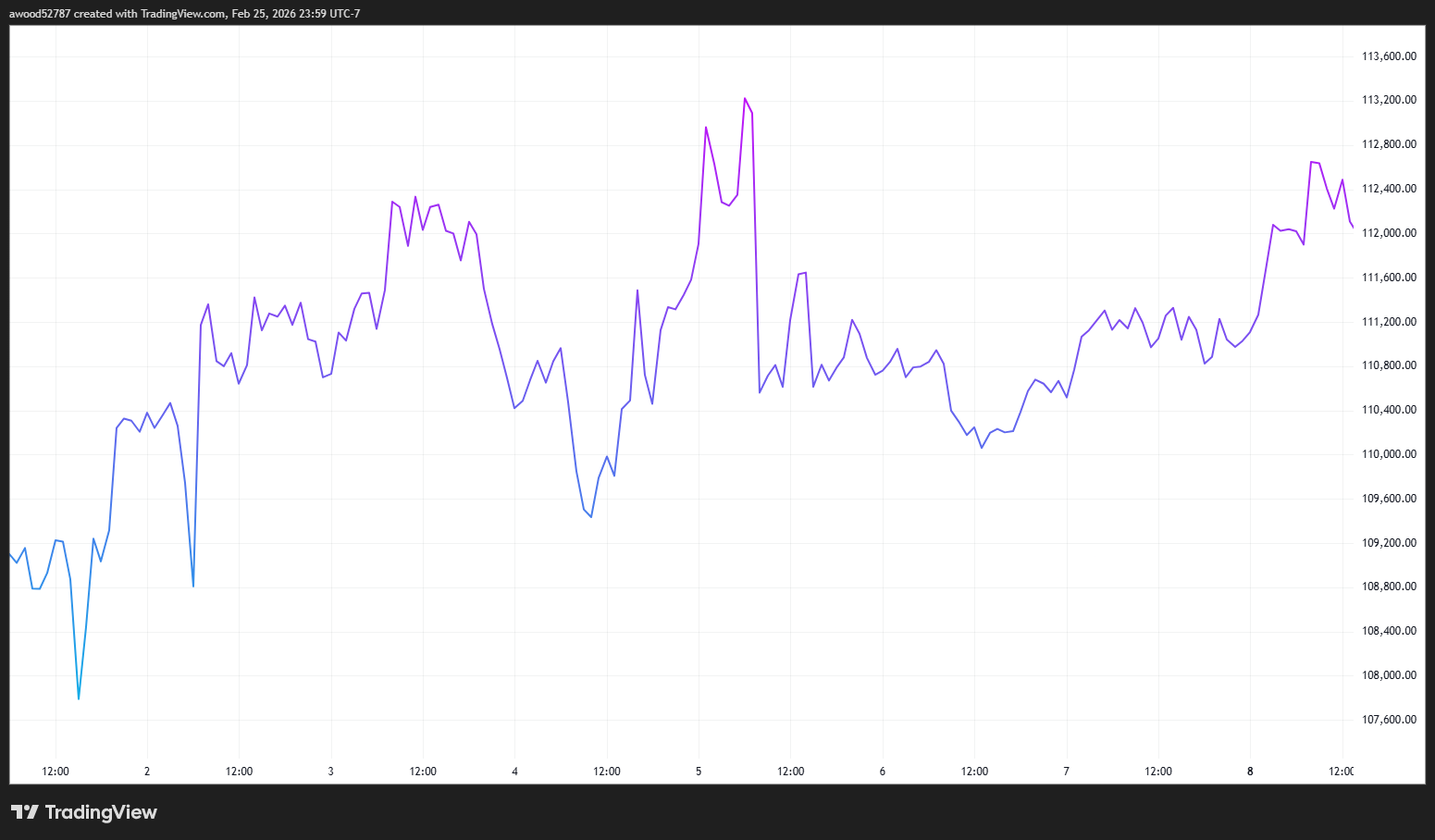
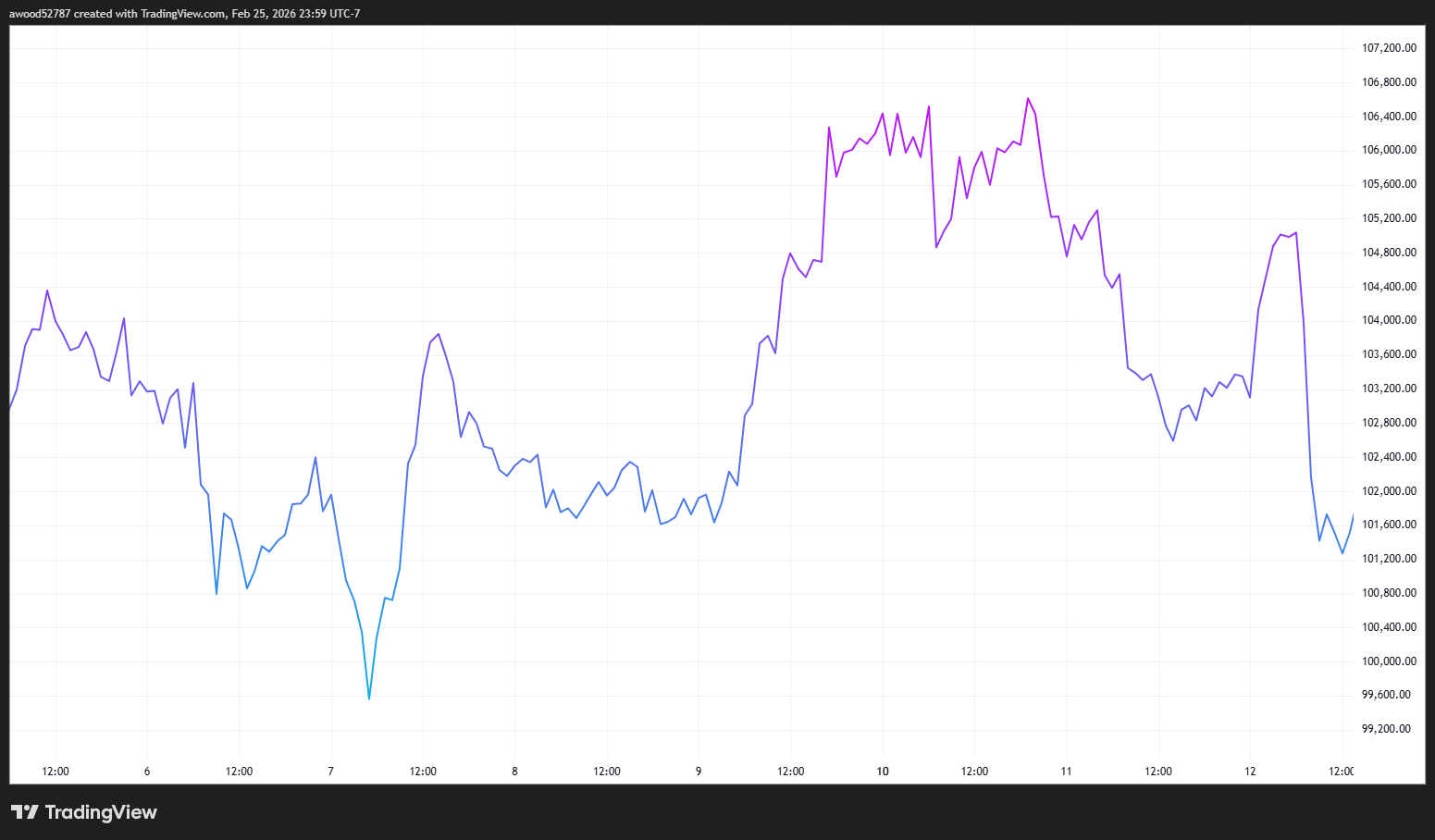
April 5, 2025: Trump announces “Liberation Day tariffs”
In the White House Rose Garden, Trump announced a sweeping, across-the-board tariff hike on any country that does business with the United States. The tariffs started at a 10% minimum, with additional value added depending on country-specific trade deficits or surpluses.
The formula used by the administration was widely reported to contain errors. It was criticized for containing “mathiness” — i.e., misleading math to obtain or further an economic goal.
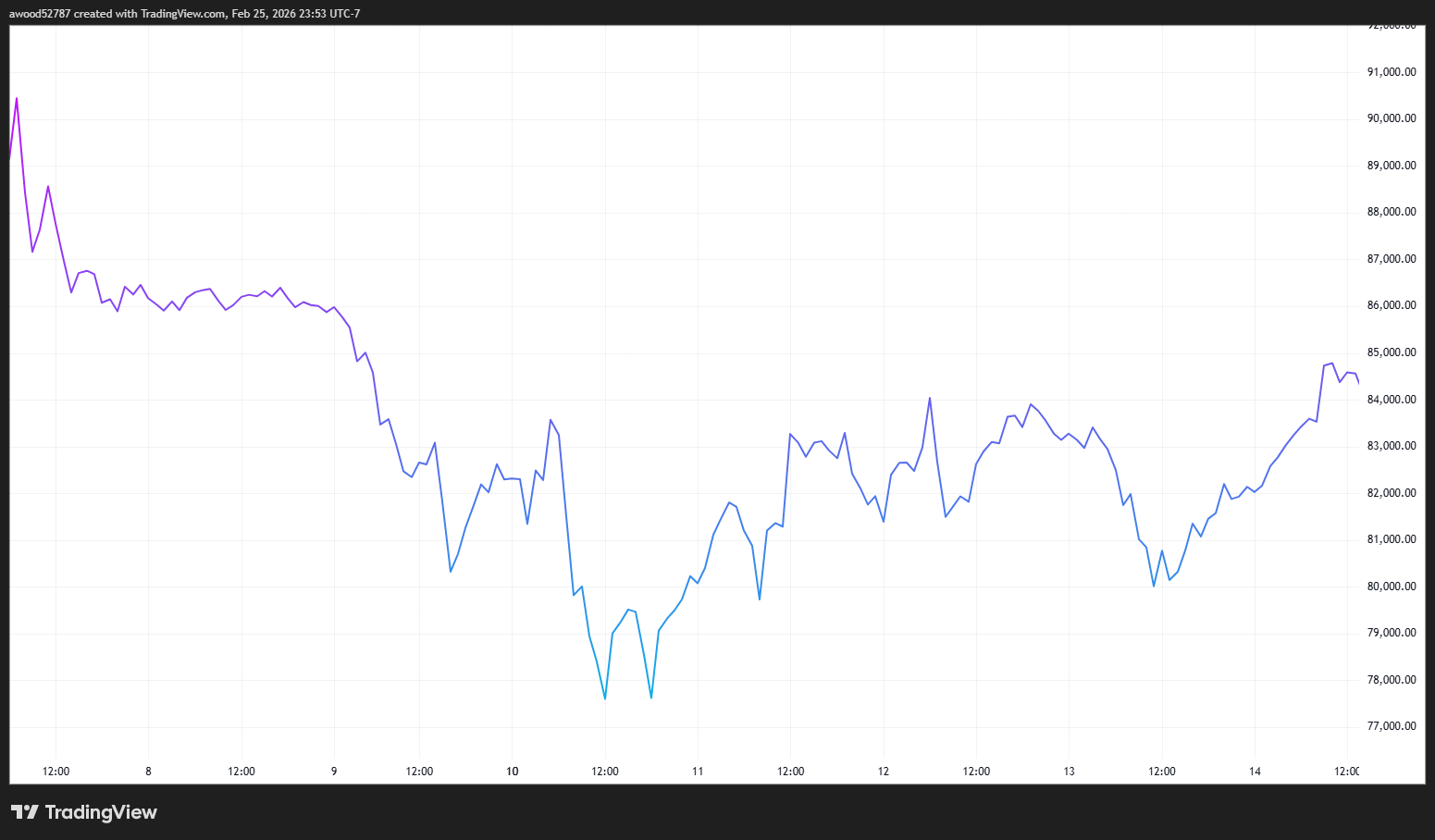
Markets, including crypto, were initially pessimistic about the prospect of a renewed global trade war and higher prices for imported goods in the US. However, “buy the dip” trading behavior and traders pricing in a new macro risk assessment led to a quick recovery.
The immediate effect spooked markets, decreasing Bitcoin’s price 5.7%. On the week, it recovered to a 2.14% gain.
June 27, 2025: UAE fund invests $100 million in WLFI
The UAE-based Aqua 1 Foundation invested $100 million in WLFI tokens, becoming a top publicly disclosed institutional backer. The purchase was supposed to speed up the establishment of a “blockchain-powered financial ecosystem.”
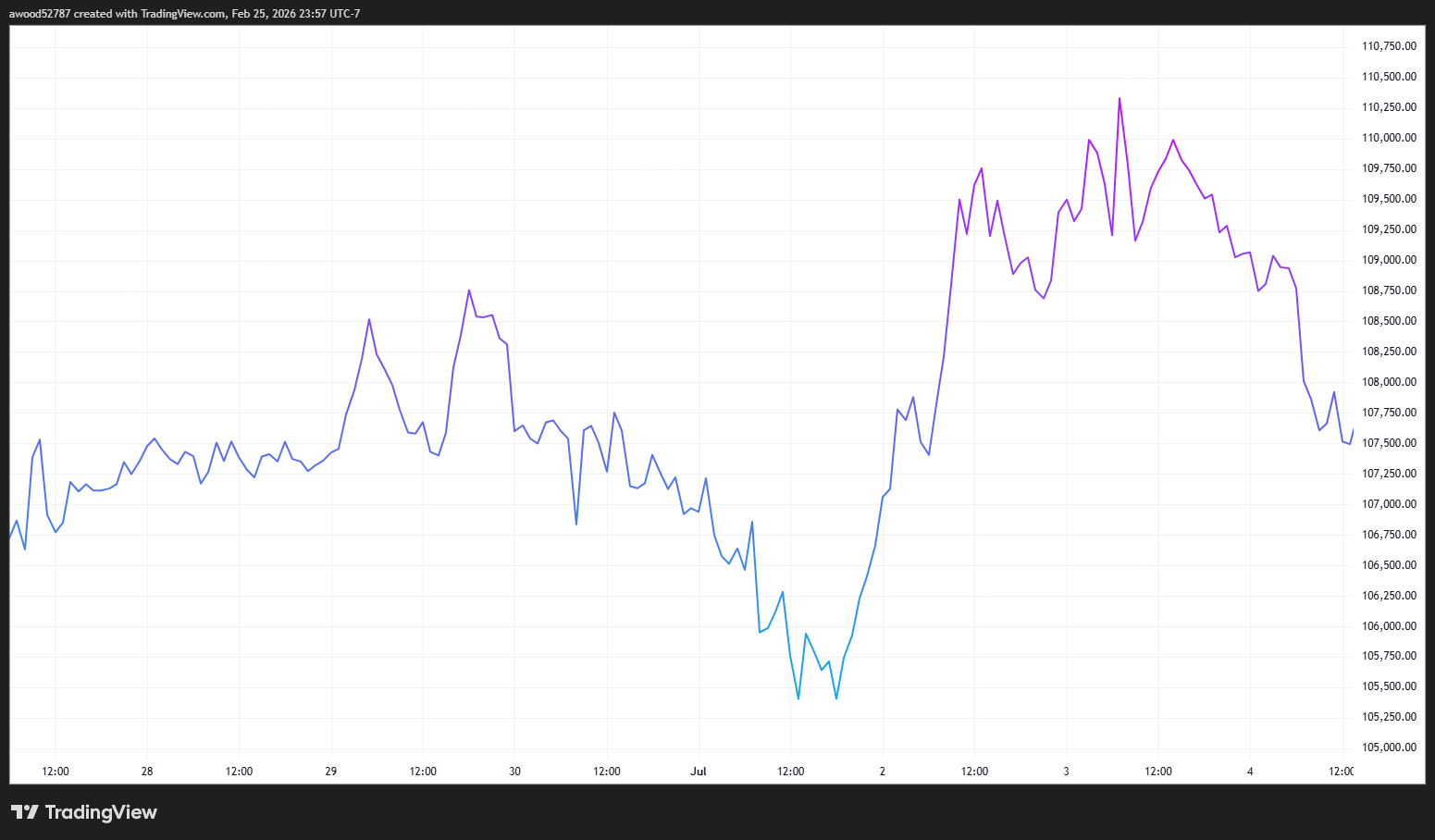
Bitcoin’s price remained relatively unaffected, up 0.23% on the day and 0.9% on the week after.
July 17, 2025: WLFI tradability approved
WLFI holders overwhelmingly voted to make WLFI tokens tradable, transitioning the financial ecosystem from closed participation to allowing secondary markets to form. The proposal passed overwhelmingly.
Sentiment on WLFI token updates didn’t leak into the markets more broadly. On July 18, Bitcoin was down 0.86%, while a week later it saw a small loss of 2%.
Sept. 1, 2025: WLFI tradable launch
The WLFI token began trading on major crypto exchanges like Binance. Early investors were only allowed to sell 20% of their holdings, and according to Barron’s, founders like Trump and son Donald Trump Jr. were not allowed to sell their holdings at all.
Still, the token sale allowed for a large secondary market to form and showed how far the Trump name alone could promote a token. Initial purchases of WLFI were limited: Buyers couldn’t sell or transfer them. The huge interest in token sales, even before they were tradable, showed that Trump was able to effectively put his brand on crypto.
While dipping in the few hours after WLFI trading was approved, Bitcoin saw a 1.8% gain on the day, and one week later, it was up 1.96%.
Nov. 5, 2025: “Bitcoin Superpower” speech in Miami
Trump spoke at the American Business Forum in Miami, the same city where he attended the world-famous Bitcoin conference as a candidate in 2024.
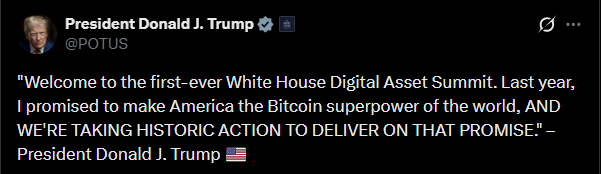
At the conference, Trump contrasted the US crypto policy with geopolitical rivals, stating, “We’re making the United States, the Bitcoin superpower, the crypto capital of the world and the undisputed leader in artificial intelligence.”
While less pronounced than his first crypto-related appearance in Miami, it nevertheless had a positive, if brief, impact on Bitcoin’s price. But the CLARITY Act was already stalling in the US Senate, and the price would soon fall off.
Bitcoin’s price was nonplussed by Trump’s address. BTC was down 1.8% a day later and 1.5% after a week.
Jan. 23, 2026: US “leads world” in crypto at Davos
Trump spoke at the World Economic Forum in Davos amid a tense geopolitical game of brinksmanship over Greenland.
In a rambling speech before assembled world leaders, Trump, in addition to claiming that the US needed Greenland for security reasons, noted the US leadership in crypto policy over perceived rivals.
“We have to make it so that China doesn’t get the hold of it, and once they have that hold, we’re not going to be able to get it back.”
Crypto markets gave a sigh of relief afterward, but this was more likely due to the fact that the US had supposedly struck a deal with Denmark and would not invade Greenland.
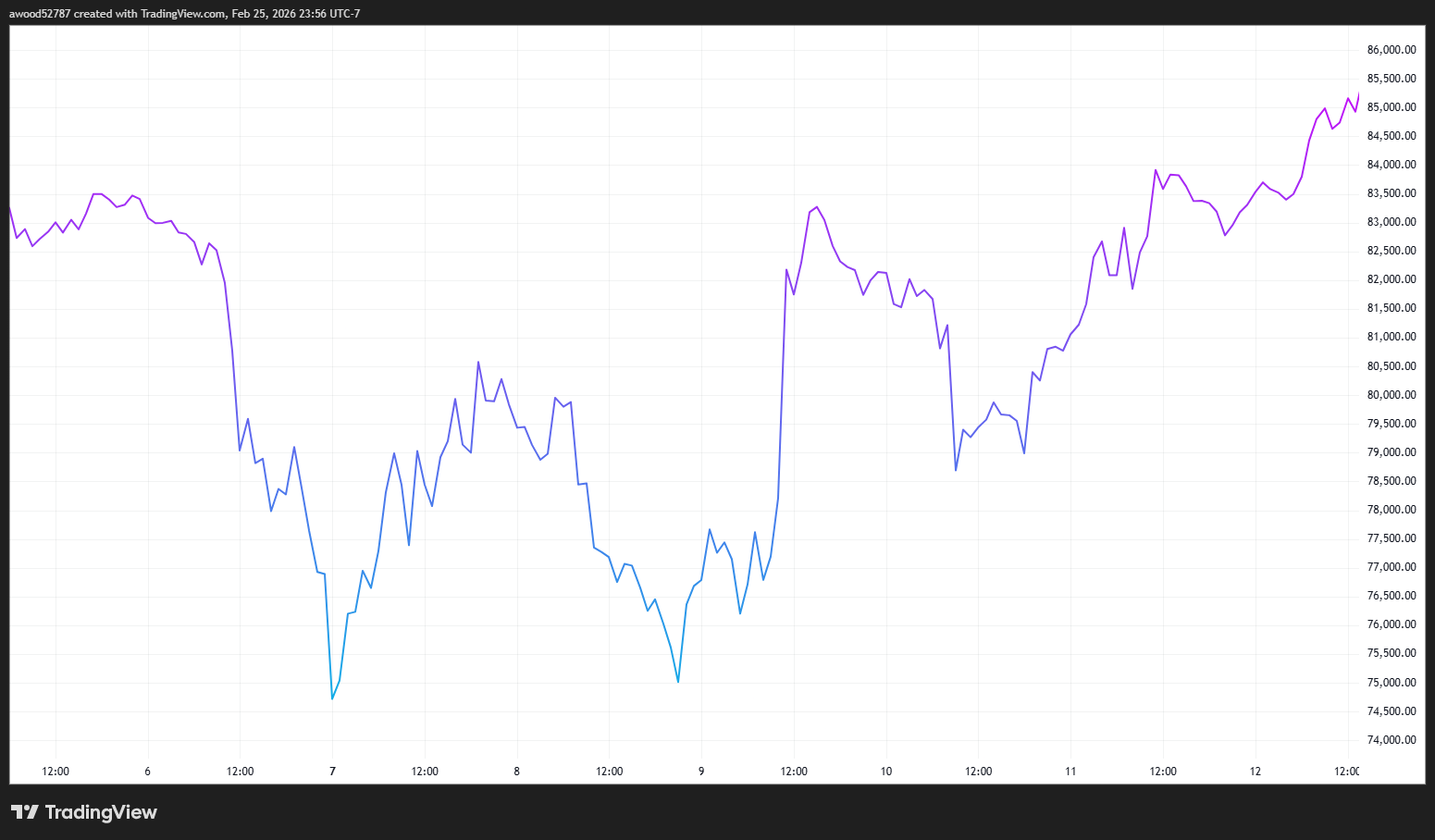
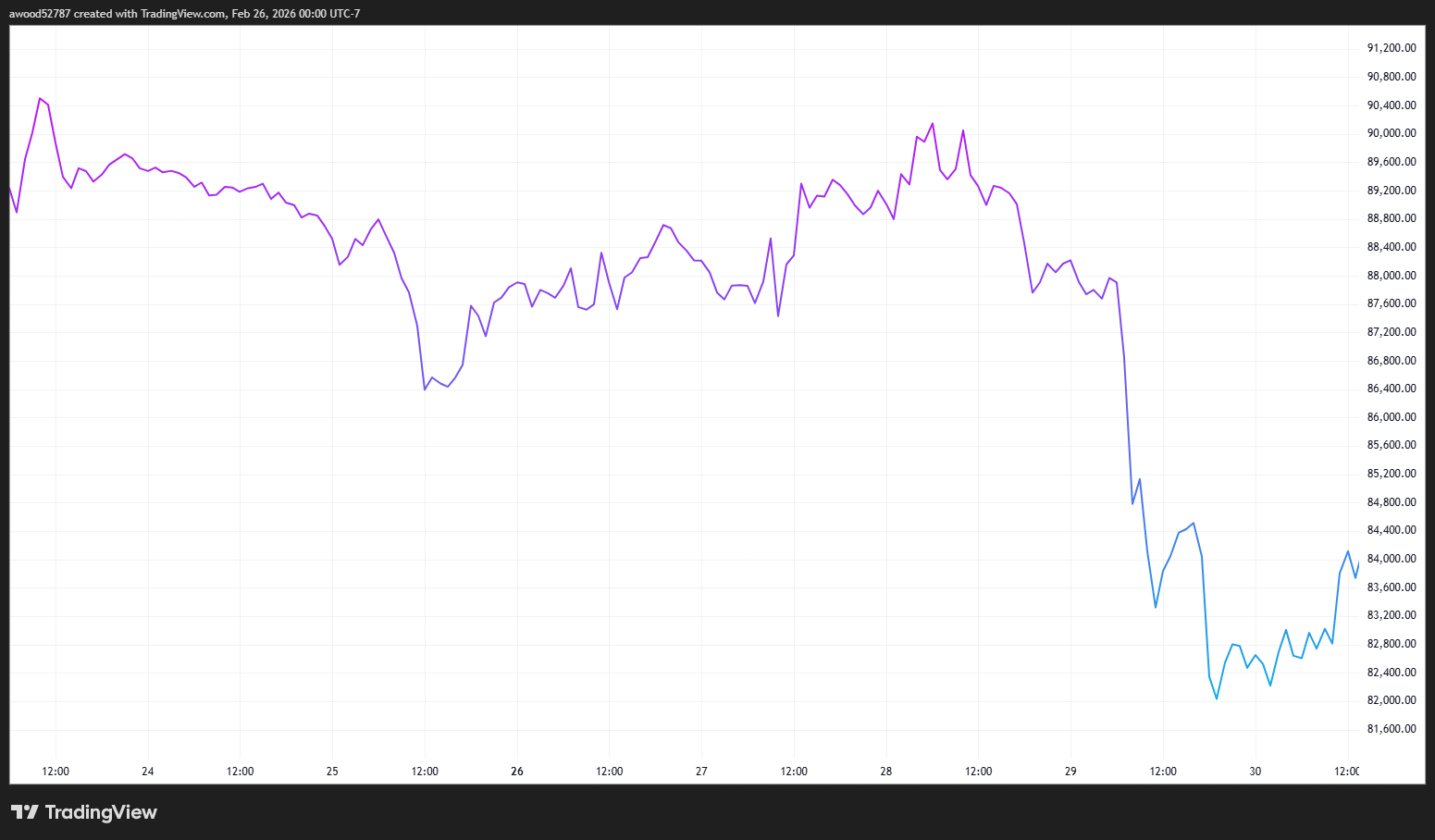
Bitcoin’s price briefly stabilized when Trump claimed that there would be a deal with Denmark over Greenland. Further worries about trade and heightened global tensions saw Bitcoin down 6% a week later.
Feb. 18, 2026: World Liberty Forum at Mar-a-Lago
Wall Street executives convened at Mar-a-Lago, the Trump family’s resort hotel in Florida. The conference, which was organized by World Liberty Financial, featured Goldman Sachs CEO David Solomon as well as pardoned felon and Binance co-founder Changpeng “CZ” Zhao.
The meeting reflected a broader, pro-crypto shift among banks in the US.
At the event, Franklin Templeton CEO Jenny Johnson envisioned a world in which blockchain works with traditional finance. “To me, I’m always trying to understand how this is evolving and particularly at the crossroads of TradFi and DeFi,” she said.
Trump’s son Eric Trump also noted the shift in tone on crypto and friendliness to the Trumps more generally, “There’s people in this room that were probably on the opposite side of us, that were canceling bank accounts for us, that were kicking us out of their big banks for no reason other than the fact that my father was wearing a hat that said, ‘Make America Great Again.’”
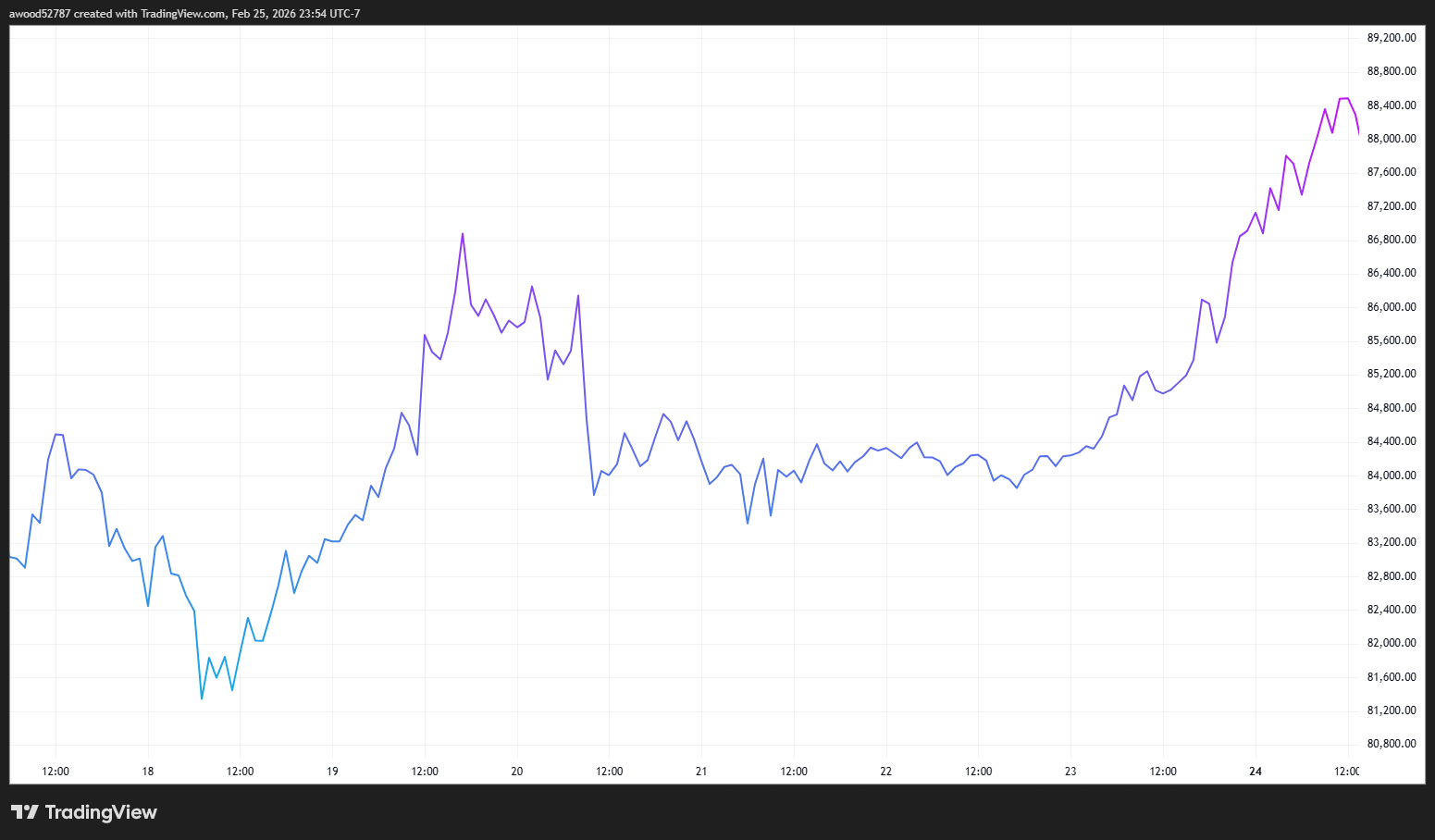
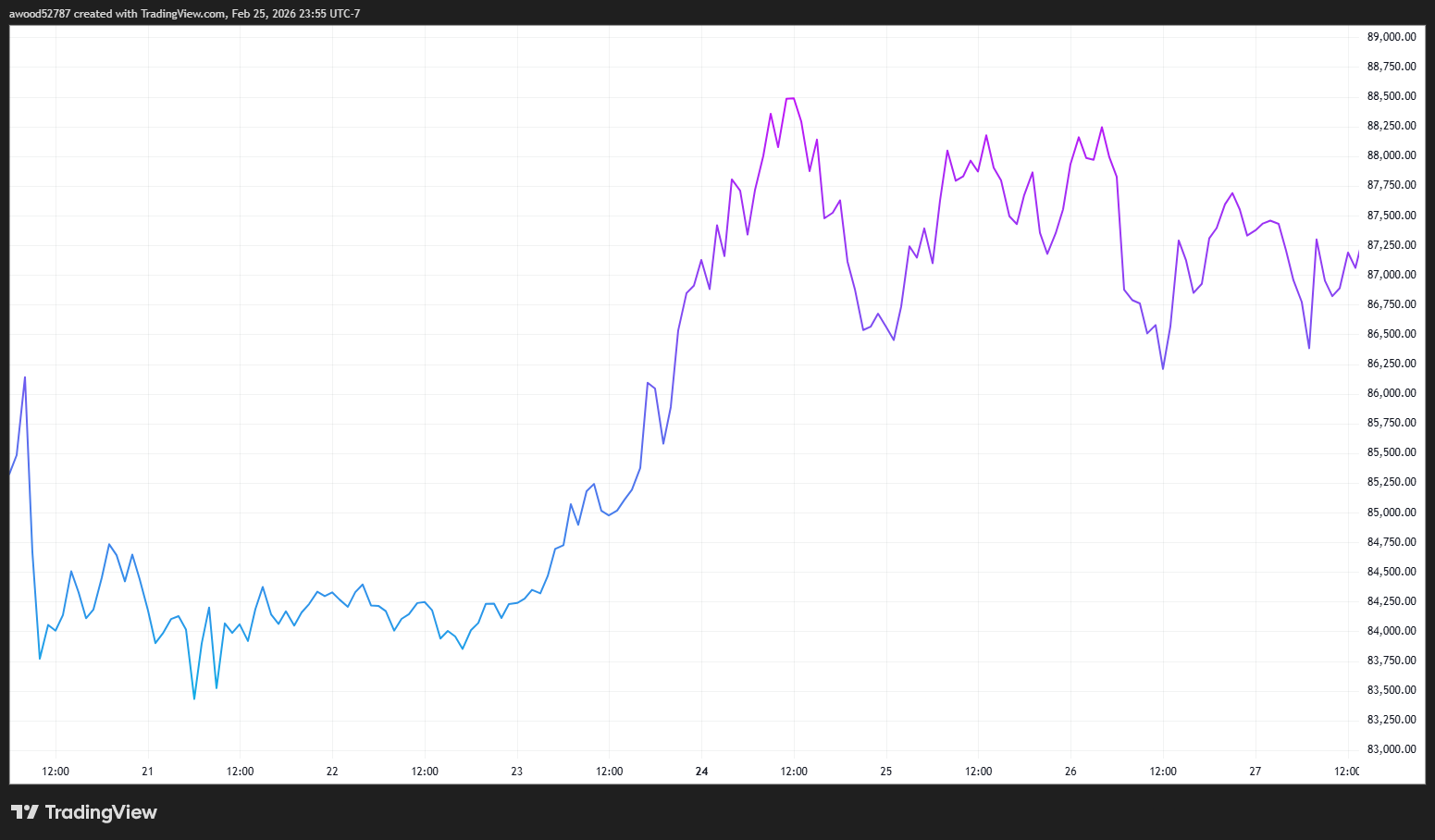
Bitcoin experienced a brief boost after the forum and was up 1.3% a day later. On the week, it was relatively unchanged, down 0.87%.
Feb. 22, 2026: Trump threatens further tariffs
In the case of Learning Resources v. Trump, the US Supreme Court ruled that the president had acted outside his authority in levying some of the tariffs that have come to define his administration.
Effectively, it invalidated the tariffs Trump implemented using the 1977 International Emergency Economic Powers Act (IEEPA).
Trump noted his disappointment in the Supreme Court, particularly in the justices whom Trump had nominated in his first term. He then levied a 10% global tariff, this time using the Trade Act of 1974 as a justification.
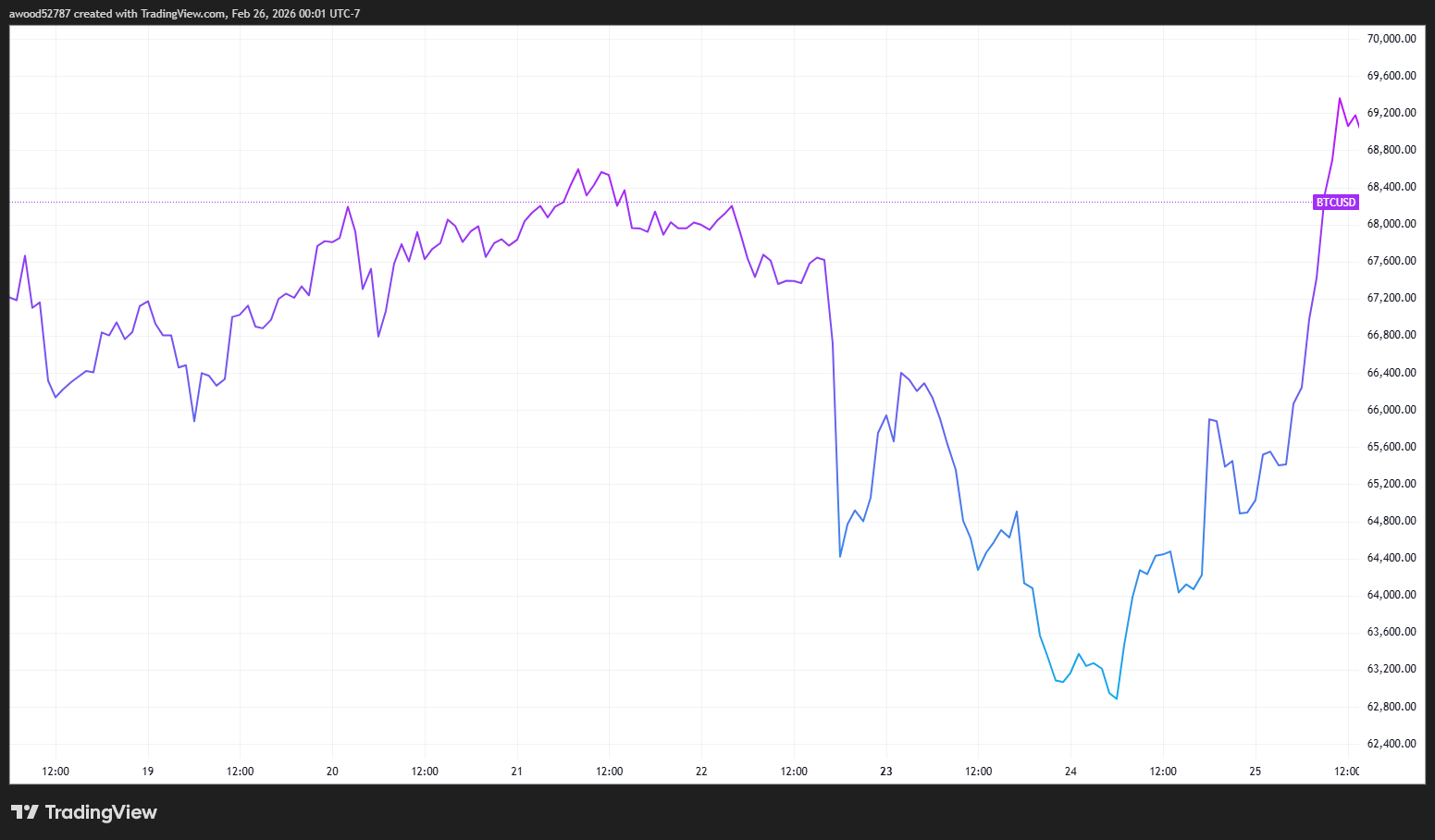
Tariffs once again put downward pressure on markets.
Bitcoin appears to be remaining in a holding pattern, down 0.77% a day after the Supreme Court decision and down 1.3% at publishing time.
Which moves Bitcoin more: Policy or oratory?
Bitcoin has, at numerous points in its history, experienced price increases and decreases based on the comments of influential people.
One prominent example is Tesla CEO Elon Musk, who spiked Bitcoin’s price nearly 20% in 2021 just by adding the word “#bitcoin” to his X bio. His announcement that Tesla would accept Bitcoin payments moved the price from around $39,000 to $44,000.
In terms of raw percentage, Trump hasn’t moved the needle nearly as much, but the landscape has also changed.
The crypto industry is making significant headway in the US. Congress is working on a crypto regulatory framework, and acceptance of crypto is growing at the highest levels.
Of more concern to crypto investors and institutional financial actors is the lack of progress on the CLARITY Act. Tariffs also create economic uncertainty and increase prices on consumer goods.
As crypto becomes more integrated with traditional financial markets, these prevailing macro-economic factors have more influence on Bitcoin’s price than any bullish oratory can.
Magazine: Clarity Act risks repeat of Europe’s mistakes, crypto lawyer warns
Cointelegraph Features and Cointelegraph Magazine publish long-form journalism, analysis and narrative reporting produced by Cointelegraph’s in-house editorial team and selected external contributors with subject-matter expertise. All articles are edited and reviewed by Cointelegraph editors in line with our editorial standards. Contributions from external writers are commissioned for their experience, research or perspective and do not reflect the views of Cointelegraph as a company unless explicitly stated. Content published in Features and Magazine does not constitute financial, legal or investment advice. Readers should conduct their own research and consult qualified professionals where appropriate. Cointelegraph maintains full editorial independence. The selection, commissioning and publication of Features and Magazine content are not influenced by advertisers, partners or commercial relationships.