
2026-02-19 04:40:00
At a glance:
-
AUD strengthened after solid Australian employment data
-
Unemployment fell for a fourth straight month; hours worked rose 0.6%
-
RBA March hike expectations firmed, though not locked in
-
Japan machinery orders surged 19% m/m, supporting capex outlook
-
Iran strike rumours persisted
-
Korea’s KOSPI hit a record high
The Australian dollar was the standout mover during the session, gaining ground as markets leaned further toward the possibility of a Reserve Bank of Australia rate hike at its March 16–17 meeting following another firm labour market report.
Headline employment rose modestly, but the underlying detail reinforced the message of a still-tight labour market. The number of unemployed fell for a fourth consecutive month, a sequence last seen in the four months immediately preceding the RBA’s May 2022 rate-hike cycle. Hours worked also climbed 0.6% in January, pointing to solid labour demand.
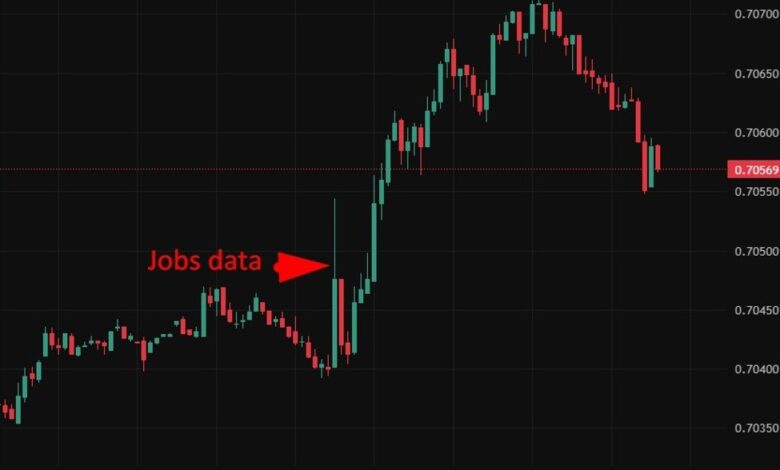
The data do not lock in a March move, but they keep the RBA’s tightening bias intact. AUD/USD climbed from around 0.7040 to just above 0.7070 before retracing a good portion of the move later in the session.
USD/JPY edged modestly higher in relatively light news flow. However, Japanese data delivered a standout surprise, with core machinery orders jumping more than 19% month-on-month in December, far exceeding expectations for a 4.5% rise. The capex indicator supports the Bank of Japan’s outlook for continued economic expansion, even as fiscal and currency dynamics remain in focus.
Elsewhere, geopolitical chatter persisted around the possibility of a US strike on Iran, with reports suggesting this weekend remains under consideration. The headlines added a layer of caution to broader risk sentiment.
In equity markets, South Korea’s KOSPI surged to a record high as trading resumed following a three-day holiday. Mainland China and Hong Kong markets remained closed, keeping regional liquidity thinner than usual.