
2026-02-11 21:39:00
Silver’s explosive rally lifts 2026 targets, but substitution risks loom.
Summary:
-
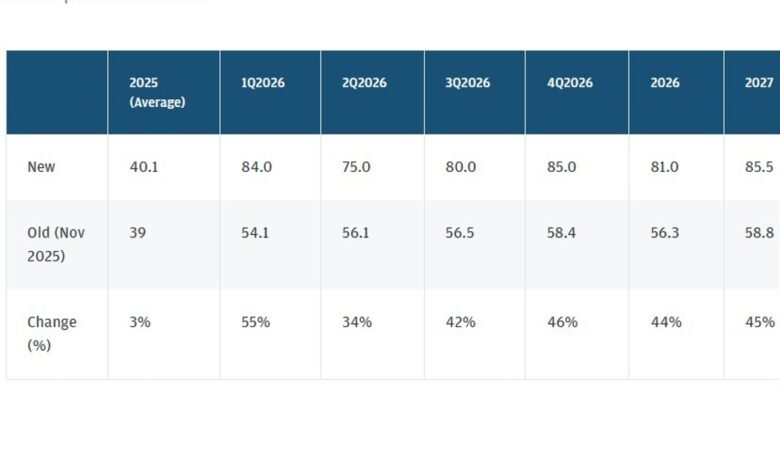
J.P. Morgan Global Research forecasts silver to average $81/oz in 2026.
-
Silver surged nearly 130% in 2025, from $29 to above $70/oz.
-
Industrial demand and tariff uncertainty were major drivers.
-
Warsh Fed nomination triggered sharp precious metals pullback.
-
Substitution risk in solar could cap longer-term upside.
J.P. Morgan Global Research expects silver to average $81 per ounce in 2026, more than double its 2025 average, though the outlook hinges heavily on global demand dynamics and investor flows.
Silver delivered a dramatic rally in 2025, climbing nearly 130% from around $29/oz at the start of the year to above $70/oz by December. Industrial demand, particularly from the solar sector, and prolonged uncertainty surrounding U.S. tariff policy under Section 232 fuelled the surge. When President Donald Trump opted against imposing new critical mineral tariffs in mid-January, prices briefly dipped before rebounding.
Volatility intensified after Kevin Warsh was nominated as the next Fed chair on January 30, triggering a 27% plunge in silver and a 10% drop in gold as USD confidence rebounded.
Structurally, silver’s supply remains constrained. Much of global output is mined as a byproduct of other metals, limiting responsiveness to higher prices. At the same time, roughly 60% of silver demand stems from industrial applications, especially solar panel production.
That industrial reliance may prove a double-edged sword. Elevated prices could accelerate substitution and “thrifting”, reducing silver content per panel, or drive adoption of alternative technologies such as cadmium telluride thin-film solar, which bypasses silver use altogether.
Unlike gold, silver lacks structural central bank demand. This leaves prices more dependent on investor sentiment and Chinese and Indian buying trends. Analysts caution that while longer-term fundamentals remain constructive, near-term risks include further unwinding of speculative froth and a potential widening in the gold-silver ratio.