Jimmy Lai 20 year prison sentence raises new tensions between China and the West

2026-02-09 03:09:00
Jimmy Lai’s 20-year sentence risks becoming a new diplomatic flashpoint, sharpening tensions between China and Western governments ahead of key US–China talks.
Summary:
-
Jimmy Lai sentenced to 20 years in prison in Hong Kong
-
Case risks becoming a flashpoint in US–China relations ahead of expected Trump–Xi talks
-
Donald Trump has publicly pressed Xi Jinping to consider Lai’s release
-
The US, UK and EU have condemned the ruling, sharpening China–West tensions
-
Rights, rule-of-law and Hong Kong autonomy issues return to centre stage
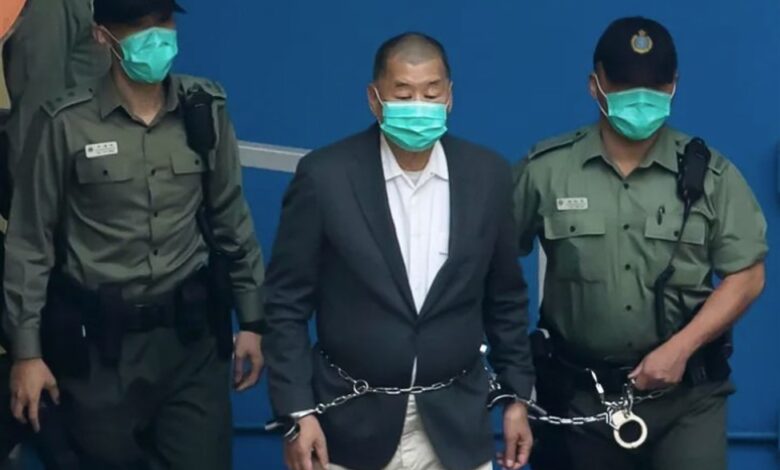
The sentencing of Hong Kong media tycoon Jimmy Lai to 20 years in prison is set to deepen diplomatic frictions between China and Western governments, adding a politically sensitive human-rights dimension to already strained US–China relations.
Lai, a 78-year-old outspoken critic of the Chinese Communist Party and founder of the now-shuttered Apple Daily newspaper, was handed the lengthy sentence by a Hong Kong court. The ruling will be widely seen by Western officials as further evidence of Beijing’s tightening grip over Hong Kong under the national security framework imposed in recent years.
In the United States, the case threatens to complicate the diplomatic agenda ahead of a potential meeting between President Donald Trump and Chinese leader Xi Jinping, expected to take place in China in April. Trump has said he raised Lai’s case directly with Xi last year and has pledged to do “everything possible” to secure his release, citing Lai’s age and poor health.
“I spoke to President Xi about it, and I asked to consider his release,” Trump said after Lai’s conviction in December, adding that the issue would remain on his agenda. While Trump did not specify when the request was made, his comments signal that the case could resurface during upcoming bilateral talks, alongside trade, technology restrictions and geopolitical flashpoints in the Asia-Pacific.
The issue also risks escalating tensions between China and the United Kingdom. Lai holds British citizenship, and Prime Minister Keir Starmer confirmed he raised the case during a recent visit to Beijing. Lai’s family has since urged the UK government to step up diplomatic efforts, arguing that London has both a moral and legal responsibility to act.
European leaders have echoed those concerns. The European Union has criticised the sentence and renewed calls for Lai’s release, framing the case as emblematic of the erosion of judicial independence and civil liberties in Hong Kong, a stance that Beijing has repeatedly rejected as foreign interference.
Chinese authorities have so far refused to engage publicly on the matter. Xi has not commented on Lai’s sentencing, while other Chinese officials have dismissed Western criticism, insisting the case is a domestic legal issue and warning against external pressure.
For markets and policymakers, the risk is that Lai’s case becomes another entrenched point of friction, reinforcing a broader deterioration in China’s relations with advanced economies. If elevated into high-level diplomacy, it could harden negotiating positions on trade, investment and technology, further complicating an already fragile geopolitical backdrop.