
2026-02-08 23:36:00
Bloomberg have a piece up that is getting some attention.
I’ve summarised.
—
Warsh’s push to rethink the Fed–Treasury relationship has reignited fears that closer coordination could undermine monetary independence and reshape US bond markets.
Summary:
-
Kevin Warsh has floated the idea of a new Fed–Treasury accord, reviving debate over central bank independence
-
Proposal echoes the 1951 agreement that ended yield caps and restored Fed autonomy
-
Markets worry closer coordination could blur lines between monetary policy and deficit financing
-
A shift toward Treasury bill purchases could reshape bond supply, yields and volatility
-
Risks include higher inflation expectations, FX volatility and pressure on US safe-haven status
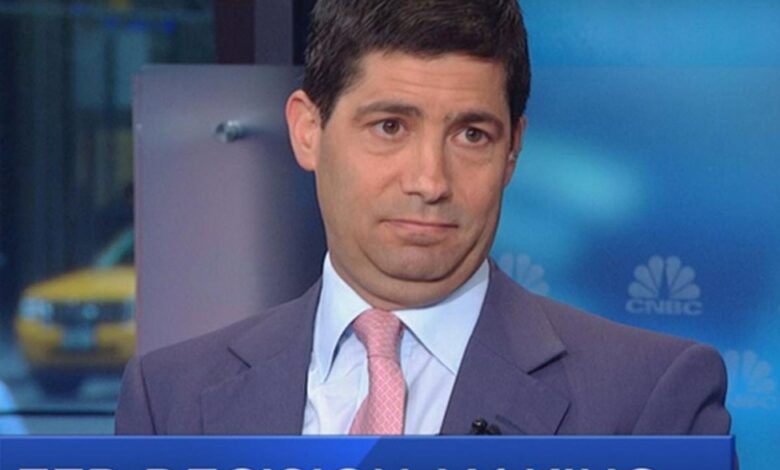
Kevin Warsh’s vision for reshaping the relationship between the Federal Reserve and the U.S. Treasury Department is emerging as one of the most consequential, and least clearly defined, elements of his prospective tenure as Fed chair.
Warsh has argued for revisiting the principles of the 1951 Fed–Treasury Accord, which famously restored the central bank’s independence after World War II by ending caps on government bond yields. That agreement sharply curtailed the Fed’s role in directly financing government borrowing, a boundary Warsh believes has since been eroded by years of large-scale bond purchases following the global financial crisis and the pandemic.
The ambiguity surrounding his proposal has unsettled investors. Neither Warsh nor Treasury Secretary Scott Bessent has outlined concrete terms, though Warsh has suggested that a new framework could more clearly define the Fed’s balance sheet objectives alongside Treasury issuance plans. With federal interest costs running close to $1 trillion annually, and President Donald Trump openly arguing that the Fed should consider debt-servicing costs when setting policy, markets see material risks in any formalised coordination.
Analysts caution that even a narrowly framed agreement could be interpreted as a step toward implicit yield management. Critics argue that synchronising the Fed’s balance sheet with Treasury borrowing would amount to tying monetary operations more closely to fiscal deficits, precisely the dynamic the 1951 accord was designed to end. In that sense, a modern accord could be read less as a safeguard and more as a pathway to de facto yield-curve control.
A more operational interpretation gaining traction is a gradual shift in the Fed’s portfolio away from longer-dated securities and toward Treasury bills. Such a move would allow the Treasury to limit issuance of notes and bonds, potentially easing pressure on long-term yields. Strategists note this trend may already be underway, pointing to increased bill purchases by the Fed and growing acknowledgement from the Treasury that issuance plans must account for central bank balance-sheet actions.
However, the implications are complex. Greater reliance on bills would increase rollover risk and borrowing-cost volatility for the government, while embedding expectations of coordination could unsettle inflation-fighting credibility. Investors warn that if markets conclude the Fed is structurally committed to absorbing government debt, inflation expectations could drift higher, bond-market volatility could rise, and the dollar’s safe-haven appeal could erode.
Some observers doubt Warsh would willingly cross that line. Supporters argue he remains committed to institutional independence, even if he favours closer communication and clearer guardrails around emergency asset purchases. Others see the risk of incremental change, coordination by another name, particularly if housing finance agencies such as Fannie Mae and Freddie Mac become part of a broader effort to cap borrowing costs.
Whether formalised or not, markets are preparing for a tighter Fed–Treasury relationship under a Warsh-led Fed. While the stated goal may be to reduce volatility and borrowing costs, history suggests that blurring monetary and fiscal roles carries long-term risks, especially in a system built on confidence in central bank independence.
AI image
Market impacts:
- US Treasuries: greater bill issuance and Fed bill buying could compress the curve but raise rollover volatility
-
USD: perceived monetisation risks could weaken long-term safe-haven appeal
Inflation expectations: coordination risks pushing expectations higher if credibility is questioned
-
Risk assets: short-term stability possible, but long-run policy uncertainty could lift volatility