

تكنلوجيا اليوم
2026-01-25 17:23:00
The Federal Reserve is set to announce its rate decision, and almost no one expects it to cut rates.
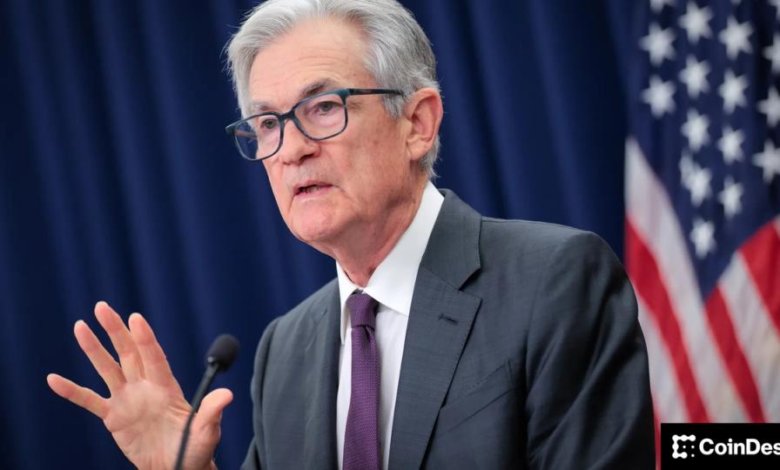
However, traders will be paying very close attention to Chairman Jerome Powell’s post-meeting press conference, which could hold the real intrigue.
His take on what to expect in the coming months and on recent hot topics, including President Donald Trump’s affordability policy push and threats to the Fed’s independence, could move both traditional and crypto markets.
Let’s dig into what is priced in and how Powell’s comments could move markets.
Status quo on rates
After delivering three back-to-back quarter-point cuts, the central bank is expected to stand pat on Wednesday. As of Friday, CME’s FedWatch futures priced in a 96% chance of the Fed holding steady at 3.5%-3.75%.
This is consistent with the message Powell delivered in December, saying the bank’s voting committee will hold off on additional cuts into 2026. Further, Minneapolis Fed President Neel Kashkari, who has a vote on the Federal Open Market Committee this year, recently told The New York Times that he believes it is “way too soon” to cut rates again.
So, unless the Fed springs an unexpected rate cut, which could tank the dollar while boosting bitcoin and stocks, the decision itself is shaping up to be a non-event.
Hawkish or dovish pause?
However, the primary question for traders will be whether the impending pause in rate cuts signals a hawkish or dovish stance.
A hawkish pause scenario involves Powell flagging lingering inflation risks, denting rate-cut bets and pressuring risk assets lower. A dovish scenario would mean Wednesday’s pause is temporary and rate cuts would resume in the coming months, potentially lifting bitcoin.
Morgan Stanley expects the Fed to send a dovish signal by retaining the policy statement wording “considering the range and timing for further adjustments to the target range,” signaling that easing remains on the table. The statement is expected to acknowledge the economy’s robustness while preserving options for future rate cuts.
Watch for dissenters to the Fed’s rate pause, as they could amplify a dovish tilt. Trump’s appointee, Stephen Miran, is expected to dissent in favour of a bold 50-basis-point cut. If the number of dissenters grows, it would bolster the case for future easing, lifting stocks and bitcoin.
As of now, most observers, except JPMorgan, are expecting the Fed to cut rates once or twice over the rest of the year. JPMorgan sees no rate move this year, followed by a hike next year.
Status quo and affordability measures
Powell will likely face questions about the rationale for holding rates steady, as well as the potential impact of Trump’s affordability measures and related issues on key macroeconomic variables.
According to ING, Powell’s explanation of the status quo rate decision may lift the U.S. dollar, potentially weakening greenback-dominated assets like bitcoin.
“Given the recent performance of both U.S. asset markets and activity, he will struggle to argue that financial conditions are restrictive and need to be loosened. This could pour cold water on the notion of a second Fed rate cut and this would lift the dollar against the low yielders like the yen and the euro,” ING analysts said.
“Instead, the next macro leg lower in the dollar will likely have to emerge from poor data rather than Fed-speak,” they added.
Powell’s potential nod to Trump’s housing affordability efforts as being inherently inflationary in the near term might amplify market volatility.
Trump recently said he has instructed his representatives to buy $200 billion in mortgage bonds, claiming it will drive down rates and monthly payments. He also issued an executive order requiring large institutional investors to refrain from buying single-family homes that families could otherwise purchase.
Observers say these measures could front-load demand, boosting housing inflation.
“The purchase [of] USD200bn of mortgage-backed-securities risk pulling forward demand, inflating prices and skewing benefits toward incumbents. On the other hand, the impact of banning large institutional investors from buying single-family homes is likely to be limited, given small institutional ownership relative to the overall stock,” Allianz Investment Management said in a note.
Note that Trump’s tariffs are already baked in with a delayed inflationary impact expected this year, as higher import costs filter through to the final consumer.
Lastly, Powell might face questions about the DOJ investigation targeting him personally, which he calls political vengeance for not slashing rates fast enough to suit Trump, and about recent bond market volatility stemming from Japan’s fiscal issues. He might dodge the probe while downplaying bond market fears.