2026-01-14 00:09:00
Summary:
-
Reuters: drones hit two tankers in Black Sea
-
Ships were bound for terminal loading most Kazakh crude
-
Kazakhstan output down ~35% Jan 1–12 on constraints
-
CPC exports continue via one mooring after prior damage
-
War-risk insurance costs nearly doubled after strikes
Reuters reported that drones struck two oil tankers in the Black Sea on Tuesday as they sailed toward a key Russian-coast terminal that handles the bulk of Kazakhstan’s crude exports, underscoring rising security risks for energy flows through the region and adding fresh uncertainty to global supply.
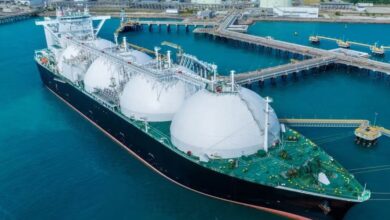
According to Reuters, the vessels were heading to the Yuzhnaya Ozereyevka terminal near Novorossiysk, a loading point for roughly 80% of Kazakh oil shipped to international markets, as well as some Russian crude. One of the tankers was chartered by Chevron, which said all crew were safe, the vessel remained stable, and it was proceeding to a safe port while the company coordinated with the operator and authorities.
The strikes come against a backdrop of sharply reduced Kazakh output. Reuters cited a source familiar with the data saying Kazakhstan’s oil and gas condensate production fell about 35% between January 1 and January 12 versus December’s average, largely due to export constraints via the Caspian Pipeline Consortium (CPC) route. Kazakhstan’s energy ministry said CPC continued exporting via one mooring, highlighting reduced operational flexibility after earlier damage.
Reuters noted the terminal itself previously came under attack on November 29, when a Ukrainian drone hit one of CPC’s three main moorings. Kyiv has targeted Russian energy infrastructure to pressure Moscow over the war in Ukraine, although it was not immediately clear who was behind Tuesday’s tanker strikes. Ukraine did not comment, and CPC declined to comment, Reuters said.
The incident also reverberated through shipping markets. Reuters reported that war-risk insurance costs for ships sailing to the Black Sea nearly doubled following the attacks, raising transportation costs and potentially discouraging some operators. Russian Black Sea terminals handle more than 2% of global crude, and the waterway is also critical for grain shipments, meaning any escalation can have broader commodity-market implications beyond oil.
Company statements cited by Reuters indicated both affected vessels suffered limited damage, fires (where reported) were quickly extinguished, and there were no reports of pollution, yet the episode reinforces the fragility of export infrastructure and the risk premium embedded in Black Sea energy logistics.
—
The attacks add a near-term risk premium to Black Sea crude flows by lifting war-risk insurance costs, increasing voyage uncertainty and raising the hurdle rate for tanker availability. Even without sustained physical damage, higher costs and operational caution can slow loadings and tighten prompt supply, particularly for CPC-linked grades.
More structurally, the reliance on a reduced number of functioning moorings at the CPC terminal leaves Kazakh exports vulnerable to further disruption. With Kazakhstan’s output already down sharply, any additional outage, whether from security incidents, weather or maintenance, could temporarily remove meaningful barrels from the seaborne market, amplifying price sensitivity despite what otherwise seems to be ample global supply.