investingLive Asia-Pacific FX news wrap: Brent surge over $100 as Iran intensified attacks

2026-03-12 03:49:00
-
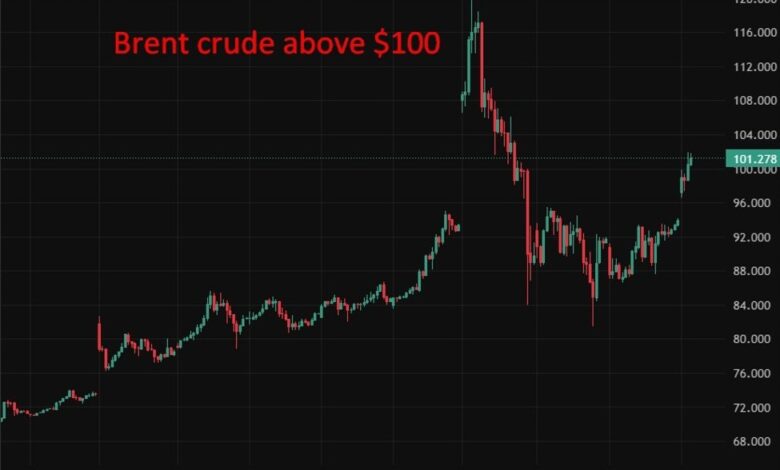
Brent crude oil surged above $100 as Iran intensified attacks on shipping across the Gulf.
-
Three tankers carrying Iraqi crude were reportedly struck by Iranian explosive boats off Basra and caught fire.
-
Drone strikes in Oman forced evacuations at the Mina Al Fahal export terminal (~1m bpd capacity).
-
The IEA announced a record 400m-barrel strategic oil release, with the U.S. contributing 172m barrels.
-
Despite the intervention, supply disruptions and shipping risks pushed crude prices higher.
-
Asian equities fell as rising oil lifted global inflation and interest rate expectations.
-
U.S. Fed funds futures now price only about 26bp of rate cuts for 2026.
-
U.S. intelligence says Iran’s leadership remains stable despite weeks of strikes.
Oil markets dominated the session as Iran stepped up attacks on shipping and energy infrastructure across the Gulf, pushing crude prices back above the $100-per-barrel mark and heightening fears of a major supply disruption.
Brent crude surged after reports that multiple tankers had been struck in Iraqi waters and that energy infrastructure in Oman had been hit by drone attacks. The escalation added to mounting security risks across one of the world’s most critical oil shipping corridors.
In one of the most dramatic incidents overnight, three oil tankers carrying Iraqi crude were reportedly struck by explosive-laden Iranian speed boats near Basra. The vessels were said to have caught fire and were reportedly leaking burning oil into surrounding waters. Iraqi security officials said the attacks occurred in territorial waters and prompted a halt to operations at nearby oil ports.
The attacks came as Iran continued to target merchant vessels across Gulf shipping lanes, including in waters around the Strait of Hormuz. Iranian forces earlier warned that oil prices could surge toward $200 per barrel as the conflict escalates.
Markets had initially hoped that coordinated action by major economies might help stabilize prices. The International Energy Agency announced plans to release 400 million barrels of oil from strategic reserves in what would be the largest coordinated emergency release in history. The United States said it will contribute 172 million barrels from its Strategic Petroleum Reserve beginning next week, with deliveries expected to take roughly 120 days.
However, the scale of supply disruptions and growing shipping risks appear to be overwhelming the stabilizing effect of the reserve release for now.
Energy infrastructure in Oman also came under pressure. Drone strikes triggered large fires at the Mina petroleum facility near the Port of Salalah, while authorities evacuated vessels from the nearby Mina Al Fahal oil export terminal as a precaution. Mina Al Fahal handles roughly one million barrels per day of Omani crude exports and is one of the few regional export hubs located outside the Strait of Hormuz.
Financial markets reacted to the renewed supply shock. Equities declined as the surge in oil prices raised concerns about inflation and global borrowing costs.
In rates markets, U.S. Fed funds futures extended their slide, with traders now pricing only around 26 basis points of interest rate cuts for this year.
Meanwhile, U.S. intelligence assessments suggest Iran’s leadership remains firmly in control despite nearly two weeks of U.S. and Israeli strikes, indicating the conflict could continue for longer than markets initially expected.
One of the epic fires on a hit tanker in Iraqi waters.