Iran rejects Trump’s claims of progress in war, warns regional oil exports could halt

2026-03-10 00:24:00
Summary:
-
Iran’s Islamic Revolutionary Guard Corps (IRGC) responded sharply to recent comments from Donald Trump, saying Tehran, not Washington, will determine when the war ends.
-
The IRGC warned that if U.S. and Israeli attacks continue, Iran could block regional oil exports.
-
Iranian officials dismissed Trump’s remarks about Iran as “nonsense” and warned regional security would either exist for everyone or for no one.
-
ICYMI them, Trump’s remarks were muddled:
-
The comments come after Trump initially suggested the war could end soon before later signalling the conflict would continue until Iran is defeated.
-
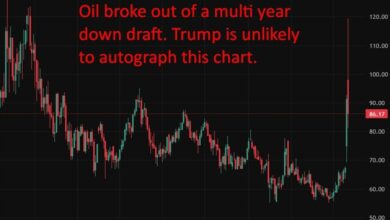
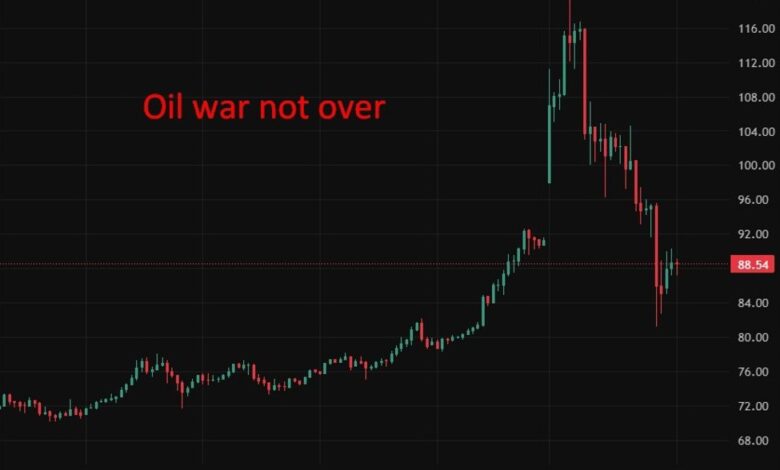
The escalation rhetoric raises fresh risks for energy markets given the region’s role in global oil supply.
Iran’s Islamic Revolutionary Guard Corps (IRGC) issued a series of warnings following remarks from U.S. President Donald Trump, signalling that Tehran intends to determine the outcome and duration of the ongoing conflict.
Statements carried by Iranian state media rejected recent comments from Trump about the trajectory of the war and suggested Iran will not accept external pressure over how or when hostilities conclude.
Officials from the Revolutionary Guards said Tehran, not Washington, would decide when the conflict ends. The remarks came shortly after Trump suggested the United States was making rapid progress militarily and that the war could soon be nearing its conclusion.
Iranian officials dismissed those comments, describing the U.S. president’s characterisation of the situation as inaccurate. The IRGC also warned that regional stability cannot be selective, arguing that security must apply to all countries in the region or none at all.
The statement included a more direct threat to global energy markets. The Guards said Iran would not allow oil exports from the region to continue if U.S. and Israeli military operations persist. Such a move would represent a major escalation given the importance of Gulf shipping routes for global crude supply.
The latest remarks add to the increasingly heated rhetoric between Tehran and Washington as the conflict intensifies. Trump has repeatedly claimed U.S. forces have severely degraded Iran’s military capabilities, including naval assets and drone and missile production facilities. At earlier briefings he suggested the conflict could be relatively short.
However, more recent comments from the U.S. president have indicated the campaign will continue until Iran is fully defeated, signalling a shift toward a more prolonged confrontation.
The exchange of threats highlights the growing geopolitical risks surrounding energy infrastructure and shipping routes in the Gulf, particularly the Strait of Hormuz, through which roughly one-fifth of global oil flows.
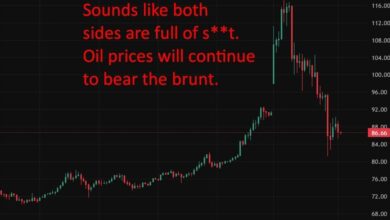
For financial markets, the escalating rhetoric underscores the potential for further volatility in crude prices and safe-haven assets as investors monitor whether the conflict begins to disrupt energy supplies from the region.
—
Also, earlier. Japan’s Finance Minister Katayama said G7 energy ministers are expected to meet later today to discuss the process for releasing strategic oil reserves. She added that the recent drop in oil futures likely reflects coordinated signals of support from the G7, though it remains unclear whether prices have fallen sufficiently.
Earlier, Katayama indicated that G7 finance ministers had urged relevant authorities to prepare for a potential emergency release of oil reserves. He said the group agreed to closely monitor energy markets and take action if needed. Japan has already instructed officials to begin preparations for a possible release from its own reserves.