
2026-02-23 02:42:00
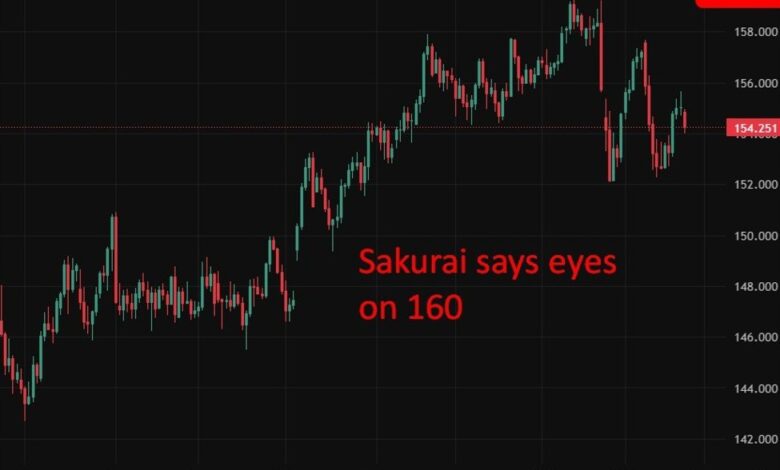
Former BOJ board member Sakurai says a renewed yen slide could trigger a March rate hike, though April remains the more logical timing. He sees the policy rate rising toward 1.75% over coming years but warns against tightening too quickly.
Via an interview with Reuters.
Summary:
-
Former BOJ board member Makoto Sakurai says March hike possible if yen weakens
-
April move seen as more logical timing, but FX pressure could accelerate decision
-
US “rate checks” signal Washington preference for stronger yen
-
BOJ may need two hikes in 2026 and 2027 to reach ~1.75% neutral rate
-
Faster tightening risks stress on regional banks and small firms
-
Markets price ~70% chance of hike by April
The Bank of Japan could raise interest rates as soon as March if the yen resumes its decline, former board member Makoto Sakurai told Reuters, underscoring how currency dynamics are increasingly shaping Japan’s policy outlook.
Sakurai said that while an April move would make more sense from a communication and forecasting standpoint, renewed yen weakness ahead of a potential March summit between Prime Minister Sanae Takaichi and US President Donald Trump could force the BOJ’s hand.
Recent “rate checks”, widely interpreted as signalling a preference for a stronger yen, add to the sensitivity around FX moves. Sakurai argued that direct currency intervention only provides temporary relief, and that rate hikes remain the most durable tool for countering sustained yen depreciation.
A weaker currency complicates Japan’s inflation picture. While government fuel subsidies dampen some price pressures, a renewed slide in the yen would lift import costs, pushing inflation higher and potentially reinforcing the case for tighter policy.
Sakurai suggested the BOJ could justify a March hike by citing expectations of robust wage gains in the annual spring labour negotiations. Strong pay settlements would strengthen the argument that inflation is becoming more demand-driven and sustainable.
Looking beyond the near term, Sakurai sees the policy rate, currently at 0.75% after multiple hikes since the BOJ ended its ultra-loose regime in 2024, ultimately rising toward around 1.75%, a level he described as broadly neutral. He estimates two hikes in both 2026 and 2027 may be required to reach that point.
However, he cautioned against an overly rapid tightening cycle. Faster rate increases could strain Japan’s financial system, particularly regional banks and small businesses vulnerable to higher borrowing costs.
Markets currently assign a strong probability to further tightening by April, placing the BOJ’s March 18–19 meeting firmly in focus.