

2026-02-16 13:31:00
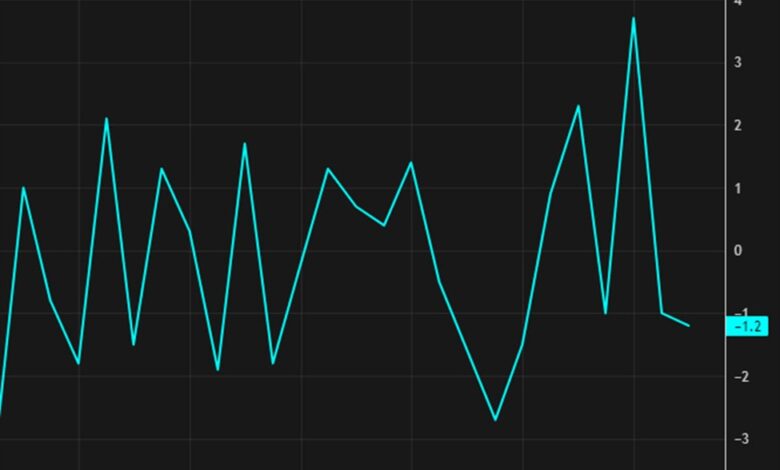
Canadian manufacturing had a turbulent 2025, shaped heavily by US tariffs, supply chain disruptions, and shifting commodity prices. After a solid first quarter where sales totalled $217.9 billion (up 1.6% quarter-over-quarter), the sector hit a wall in Q2. Sales plunged 4.8% to $206.0 billion — the steepest quarterly drop since the pandemic-era decline in Q2 2020 — as tariffs on Canadian goods took a significant toll on petroleum and coal products, motor vehicles, and primary metals. April saw the sharpest monthly decline at 2.8% to $69.6 billion, with roughly half of manufacturers reporting direct tariff impacts. May dipped further to $68.7 billion, the lowest level since January 2022.
The third quarter brought a meaningful recovery. Sales rebounded 2.8% to $212.3 billion, the strongest quarterly gain since Q2 2022, capped by a 3.3% surge in September to $72.1 billion — the highest since February. Transportation equipment and petroleum and coal products led the rebound.
That momentum stalled in Q4. October saw sales fall 1.0% to $71.5 billion as chemical products dropped 6.0%, wood products plunged 9.0% to their lowest since July 2020 (hit hard by U.S. tariffs triggering sawmill closures), and transportation equipment slipped 2.3%. Sales declined in six provinces, led by Ontario and Quebec.
November brought a steeper 1.2% decline to $70.8 billion, with 15 of 21 subsectors posting losses. Motor vehicle sales fell 15.9% to $3.8 billion — the lowest since October 2022 — after global semiconductor shortages disrupted a major assembly plant and rippled through the parts supply chain. Motor vehicle parts dropped 6.3% and machinery fell 3.2%. Petroleum and coal products bucked the trend, rising 6.8% to $8.2 billion on higher prices and the end of a refinery maintenance shutdown. Ontario and British Columbia led provincial declines. The inventory-to-sales ratio rose to 1.72, reflecting weakening demand relative to supply. An advance estimate for December pointed to a modest 0.5% rebound, led by the food subsector and motor vehicles.