South Korea sells $3bn FX stabilisation bonds to bolster reserves as won pressure persists

2026-02-06 01:06:00
South Korea’s $3bn FX bond sale strengthens reserves optics and the won’s safety net, but the currency’s direction still hinges on global rates and domestic dollar demand.
Summary:
-
South Korea sold $3bn of FX stabilisation bonds, its biggest single deal since 2009, in a move framed as pre-emptive reserve support amid heightened external uncertainty.
-
The deal included a first-ever $1bn 3-year tranche and a $2bn 5-year, priced at a record-low spread of UST +12bp for the 5-year, signalling strong demand.
-
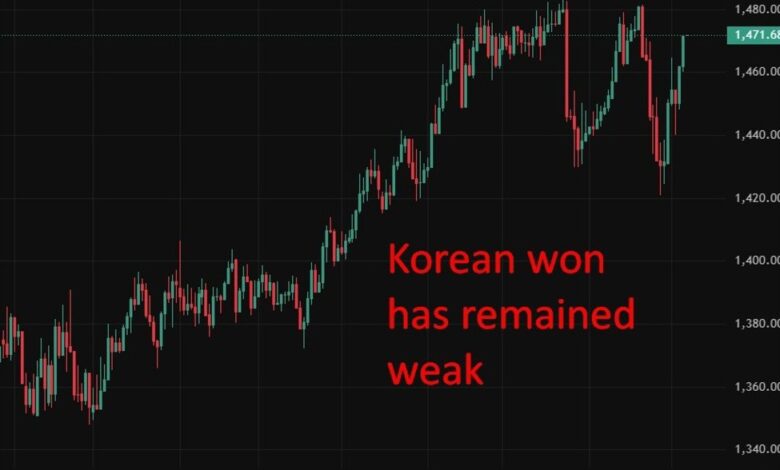
Authorities are leaning on multiple levers to steady the won as dollar demand remains elevated and FX volatility persists.
-
Korea’s FX reserves have fallen for two straight months to $425.91bn at end-January, partly reflecting stabilisation efforts and liquidity operations.
-
Near-term, the issuance bolsters the “war chest”, but the won’s path still hinges on global rates, risk sentiment, and domestic dollar outflows.
—
South Korea tapped international markets with a $3 billion sale of foreign exchange stabilisation bonds, the largest single issuance of its kind since 2009, as authorities move to reinforce buffers against external volatility and renewed pressure on the won.
The finance ministry said the deal was split into a first-ever $1 billion three-year tranche and a $2 billion five-year tranche, with the five-year pricing at a record-low spread of US Treasuries plus 12 basis points. The ministry framed the sale as a pre-emptive step to strengthen foreign exchange reserves and enhance the country’s safety net for currency stability during a period of heightened global uncertainty.
FX stabilisation bonds are typically used to raise hard currency funding that can support reserves and liquidity backstops, helping authorities smooth periods of market stress or disorderly moves in the exchange rate. The timing is notable: South Korea’s foreign exchange reserves have declined for two consecutive months, falling to $425.91 billion at end-January, after a drop in December as policymakers sought to curb won weakness.
The issuance also lands as officials reassess broader stabilisation measures amid persistent demand for dollars, including from domestic investors allocating overseas, which has complicated efforts to steady the currency. A low spread suggests investors continue to view Korea’s sovereign credit positively despite the challenging backdrop, potentially limiting near-term funding cost concerns.
For markets, the immediate implication is a stronger liquidity and reserves narrative: a larger FX buffer can reduce tail-risk premia and dampen speculative pressure on the won. However, sustained currency stability will still depend on external drivers such as US yields, risk sentiment and trade dynamics, as well as domestic capital outflows that can keep dollar demand elevated.