Japan’s Katayama: Tokyo coordinates regularly with US on FX, declines comment intervention

2026-02-03 00:06:00
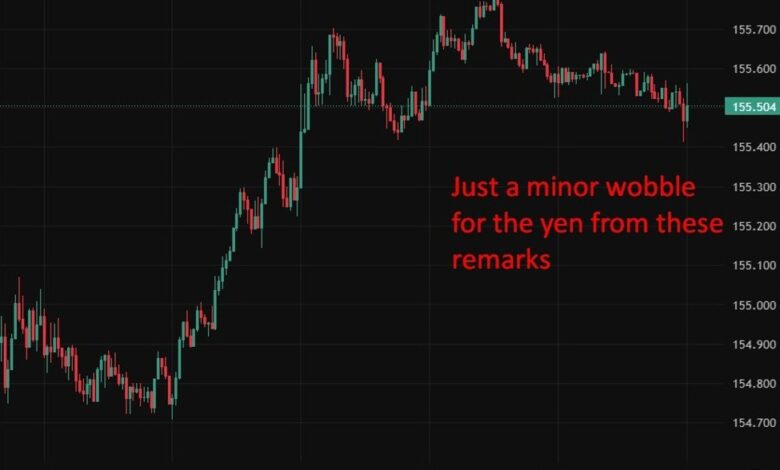
Japan kept intervention ambiguity intact while leaning on US coordination language and downplaying any suggestion the government is cheerleading a weaker yen.
Summary:
-
Japan’s finance minister avoided confirming or denying any FX intervention activity
-
She pushed back on the idea that PM Takaichi was “talking up” a weak yen
-
Officials again refused to discuss specific FX levels
-
Japan stressed it coordinates regularly with US authorities on FX at multiple levels
-
Messaging aims to cool intervention speculation without closing policy options
-
Says closely communicating with Bessent
Japan’s finance minister Katayama sought to dampen speculation around foreign-exchange intervention while keeping official options open, declining to comment on whether Tokyo had been in the market and refusing to discuss specific currency levels. The careful language is consistent with Japan’s long-running approach of maintaining “constructive ambiguity” in FX, particularly when volatility picks up or when markets become focused on intervention risk.
A key part of the remarks addressed recent political headlines around currency policy. Katayama said comments by Prime Minister Sanae Takaichi about foreign-exchange “benefits” were intended as a general observation rather than a policy signal, and he pushed back against the notion that she was emphasising the advantages of a weaker yen. The clarification appears designed to reassure markets that the government is not explicitly endorsing yen weakness, even as exporters can benefit from a softer currency and import-heavy sectors feel the pain through higher costs.
The minister’s refusal to comment on specific levels reinforces the idea that Tokyo wants to avoid being boxed into defending any particular line in the sand. Historically, officials have preferred to focus on the pace and disorderliness of moves rather than a single number, leaving flexibility to respond if conditions worsen.
The most market-sensitive element of Katayama’s comments was her emphasis that Japan coordinates regularly with United States authorities at various levels, mentioning Bessent specifically. That line matters because coordinated messaging can be as important as direct action: the perception of US engagement tends to raise the bar for one-way speculative positioning and can increase the deterrence effect of any potential intervention.
For markets, the take-away is twofold. First, Tokyo is actively managing the narrative around the yen and political messaging. Second, it is reinforcing the framework of ongoing communication with the US—without making any operational commitment. Net-net, it reads as an attempt to cool volatility and curb intervention rumours while preserving maximum optionality if currency moves become disorderly.