
2026-01-28 00:59:00
Australia’s December CPI reinforces the case for an RBA rate hike as underlying inflation re-accelerates and services pressures intensify.
Summary:
-
Australian CPI surprised higher across headline and core measures
-
Trimmed mean inflation rose to 0.9% q/q and 3.4% y/y
-
Six-month annualised core inflation sits near 3.9%
-
Services inflation accelerated sharply, led by travel and rents
-
Data strengthens the case for a 25bp RBA hike in February
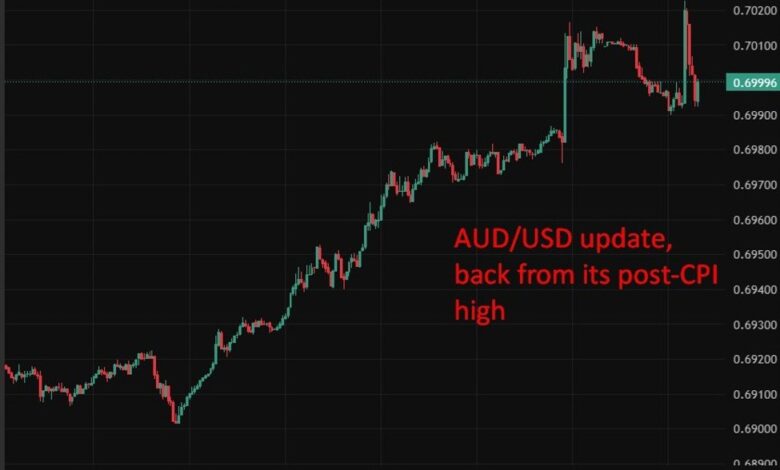
Australian inflation surprised firmly to the upside in December, reinforcing the case that price pressures remain too persistent for the Reserve Bank of Australia to stay on hold at its early-February meeting. Both headline and underlying measures accelerated, leaving inflation well above the RBA’s 2–3% target band and strengthening expectations of a 25bp cash-rate hike on February 3.
Headline CPI rose 3.8% y/y in December, up from 3.4% previously, while trimmed mean inflation increased to 3.3% y/y, also edging higher. On a quarterly basis, trimmed mean inflation printed at 0.9% q/q, above expectations, taking six-month annualised core inflation to around 3.9%, a level inconsistent with a return to target within a reasonable timeframe.
Monthly data showed inflation momentum remained firm into year-end. CPI rose 1.0% m/m in original terms and 0.2% m/m on a seasonally adjusted basis, underscoring that disinflation is not proceeding smoothly. Annual inflation increased across both headline and trimmed mean measures, suggesting broad-based rather than isolated pressures.
The composition of inflation is likely to be of particular concern for the RBA. Services inflation accelerated to 4.1% y/y, up from 3.6%, driven by strong gains in domestic holiday travel and accommodation and continued pressure in rents. These are precisely the categories the RBA views as most sensitive to domestic demand and labour market conditions.
Goods inflation also edged higher to 3.4% y/y, with electricity prices a key contributor. Electricity inflation rose more than 21% y/y, highlighting the uneven and fragile nature of goods disinflation even as global supply pressures ease.
Housing costs remain a major driver of price pressures, rising 5.5% over the past year, while food inflation stayed elevated at 3.4% y/y. Together, these components continue to squeeze household budgets and risk entrenching higher inflation expectations.
With inflation now re-accelerating at the margin and underlying measures still running well above target, the data strengthen the argument that policy remains insufficiently restrictive. When combined with a still-tight labour market (Australia jobs surge in December, lifting AUD and RBA rate hike expectations) and ongoing evidence of wage and services-price pass-through, the December CPI release increases the likelihood the RBA opts to resume tightening rather than risk falling behind the curve.
Earlier: