
Another shutdown looms large after Democrats pull support for government funding bill

2026-01-26 10:14:00
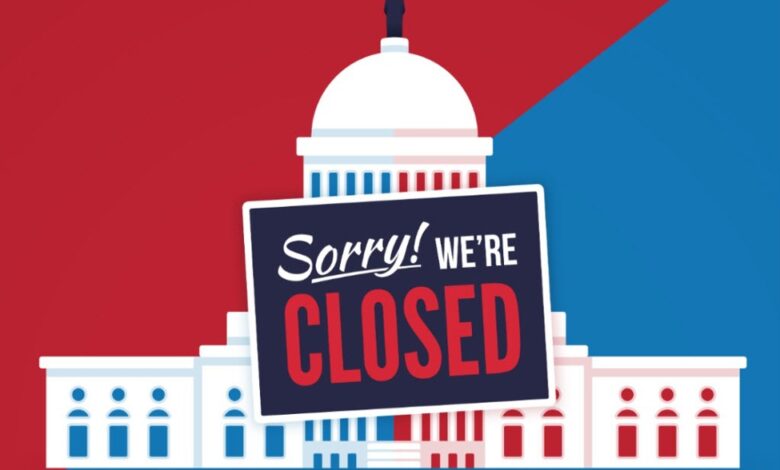
Just last week, betting odds have a US government shutdown at around 10% only. But after the shooting death of civilian Alex Pretti by federal agents, it has changed things completely. Just days ago, a full-year funding deal seemed within reach. Now, Democrats are vowing to oppose the funding bill for the Department of Homeland Security (DHS).
As a reminder, the last day to pass the government funding is 30 January and it has to be done before midnight. After which if there is no compromise to be struck, we’ll likely see a partial government shutdown once more.
Currently, betting markets have odds of a shutdown surge up to around 70%. So, why does this all matter for markets?
It brings us back to the same episode we saw in October last year. If the government does enter another shutdown, the Bureau of Labor Statistics (BLS) will immediately suspend almost all operations. Unlike government bodies like air traffic controllers (DOT) and border agents (DHS), the BLS is not deemed as “essential”. As such, data collection stops and once again we’ll be left without key US economic data to work with for the weeks ahead.
What key economic data releases will be impacted by a shutdown this time around?
The most immediate will be the release of the upcoming January labour market report. Yes, the non-farm payrolls report will once again be impacted and we might be in a situation where it is postponed indefinitely. This release is scheduled for 6 February.
And if the shutdown drags on, that will also likely delay the next consumer price inflation (CPI) report for January. That is scheduled to be released on 11 February. As a reminder, it was the October CPI report that was skipped and is leaving a bit of a blip in the historical data estimates now.
So once again, the Fed might very well have to “fly blind” to start the new year. And it isn’t helped by the fact that policymakers and markets are also still trying to work out the impact of the previous shutdown on the numbers in the labour market and inflation reports.
What a mess.