


After a period of rapid expansion, the global stablecoin market has largely stalled, signaling a consolidation phase as new regulation, liquidity constraints and higher real-world yields weigh on new issuance, according to Jimmy Xue, co-founder of quantitative yield protocol Axis.
In a note shared with Cointelegraph, Xue said that while stablecoin regulation has advanced, tighter frameworks in the United States and Europe have forced institutional issuers to hold higher-quality reserves and absorb rising compliance costs, slowing the pace of net issuance.
At the same time, elevated real yields on US Treasurys have increased the opportunity cost of holding stablecoins that offer no direct yield. That dynamic has dampened speculative minting and reinforced stablecoins’ role as infrastructure for payments, settlement and short-duration liquidity, rather than high-growth instruments.
“The recent plateau in stablecoin market cap is primarily a consolidation phase following the explosive growth of 2025,” Xue said, pointing to institutional investors adjusting to stricter liquidity requirements under the US GENIUS Act and the European Union’s Markets in Crypto-Assets framework.
Xue added that a broadly cautious macroeconomic environment, combined with competitive Treasury yields, has further reduced appetite for rapid stablecoin expansion.
While estimates vary, industry data shows the total stablecoin market has remained broadly flat since October, with fiat-pegged tokens in circulation hovering at about $310 billion. The circulating supply had more than doubled from January 2024 to early 2025.
Related: US stablecoin rules split global liquidity with Europe, CertiK warns
Stablecoin supply and market stress
It may not be coincidental that stablecoin supply growth flattened after crypto markets sold off sharply following the Oct. 10 liquidity shock, which triggered about $19 billion in forced deleveraging across centralized and decentralized venues. The event marked the largest leverage unwinds in the sector’s history.
Since then, a combination of coordinated selling, elevated funding stress and persistently risk-averse sentiment has driven repeated sell-offs across digital assets, with prices yet to mount a sustained recovery.
Stablecoin supply typically expands during periods of rising investor activity, as traders move capital onchain to deploy leverage, rotate between assets or park funds in dollar-pegged tokens while awaiting new opportunities. When risk appetite contracts and leverage is unwound, that demand tends to fall, slowing new issuance and, in some cases, leading to net redemptions.
At the same time, the question of stablecoin yield has gained traction in the United States as banks intensify lobbying efforts to restrict or ban yield-bearing stablecoins during deliberations over the CLARITY Act, proposed legislation intended to define regulatory oversight and permissible activities for digital asset issuers.
Banking groups have argued that yield-bearing stablecoins could compete with traditional deposits and money market products, raising concerns about financial stability and regulatory parity.
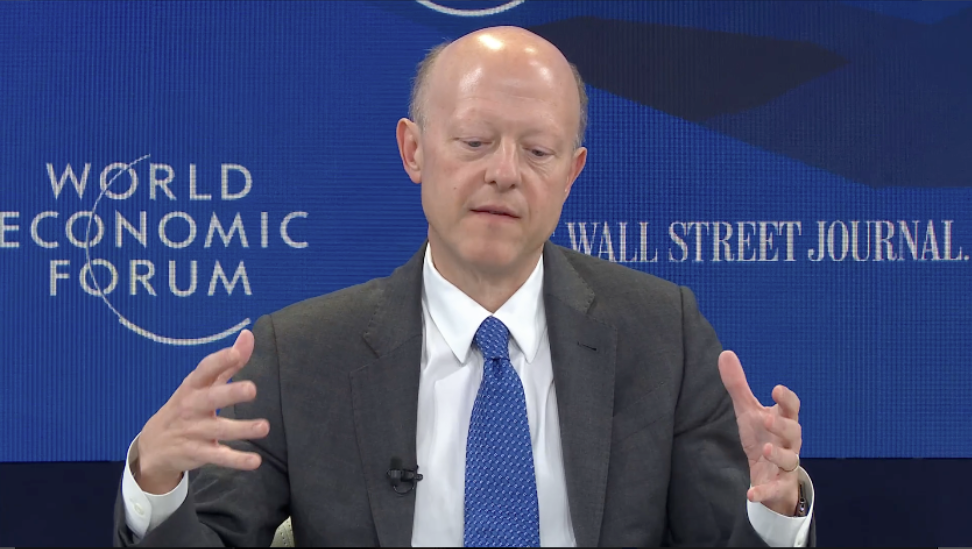
Jeremy Allaire, chief executive of USDC (USDC) issuer Circle, rejected those claims, telling attendees at the World Economic Forum in Davos, Switzerland that the banking industry’s concerns over stablecoin yields are unfounded and “totally absurd.”
Related: Crypto’s 2026 investment playbook: Bitcoin, stablecoin infrastructure, tokenized assets