

2026-01-09 00:46:00
At a glance:
-
Commerzbank says UK-EU rapprochement optimism is premature
-
Single-market access would require slow, conditional concessions
-
Danske Bank sees sterling’s recent gains as overdone
-
Weak UK growth may prompt further BoE easing
-
Relative UK-eurozone outlook favours EUR over GBP
Sterling’s recent gains may be running ahead of fundamentals, with analysts warning that optimism around both UK-EU relations and the domestic macro outlook is likely premature.
Commerzbank cautioned that investors should avoid being too quick to price in an improvement in relations between the UK and the European Union. While a rapprochement could ultimately be supportive for the pound, the bank argued that any move toward improved access to the EU single market would be slow, conditional and politically costly, requiring concessions from the UK.
Commerzbank noted that some of the UK’s core economic challenges, including weak productivity growth, predate Brexit, limiting the extent to which improved EU ties alone could transform the outlook. Although sterling would likely benefit if access to the single market were meaningfully enhanced, the bank said it is “simply too early” for markets to factor in such positive outcomes. The UK government’s preparation of legislation to align parts of domestic law with EU standards was described as a step toward engagement rather than a guarantee of economic gains.
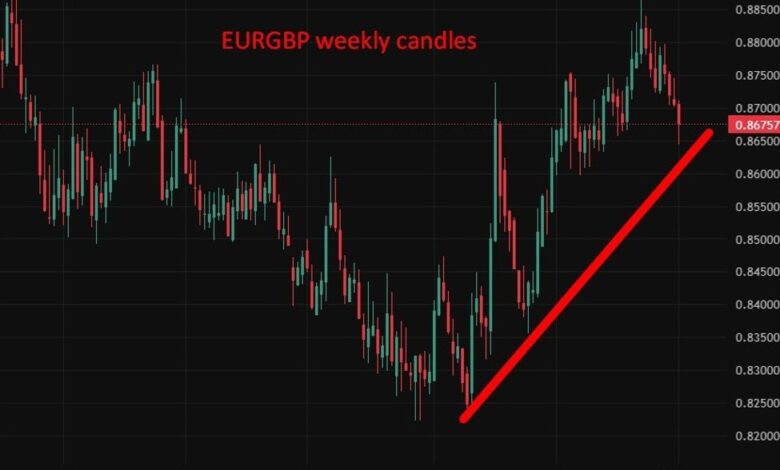
Meanwhile, Danske Bank said sterling’s recent strengthening looks overdone, driven largely by improved global risk sentiment and easing concerns over UK fiscal credibility. Danske argued that the UK economy remains on a weak footing, increasing the likelihood of further policy easing from the Bank of England.
Danske highlighted domestic headwinds, including subdued growth and tighter fiscal policy, which contrast with the eurozone’s more supportive fiscal stance. The bank added that relative growth dynamics between the UK and the euro area remain a negative for sterling, reinforcing the case for a weaker pound versus the euro.
Taken together, the two views suggest sterling faces structural and cyclical headwinds, with near-term optimism vulnerable to reversal unless there is tangible progress on growth, productivity and policy support.
Bank of England