
RBA meeting minutes underline upside inflation risks, leave door ajar to tightening

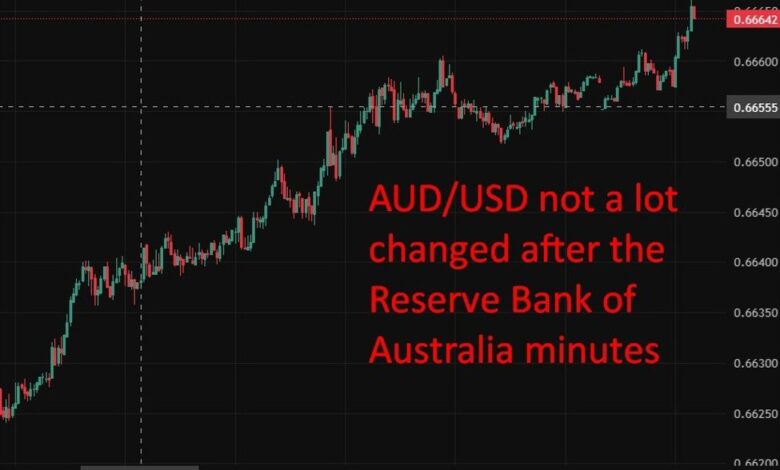
2025-12-23 00:33:00
Reserve Bank of Australia Minutes of the December 2025 Monetary Policy Board Meeting.
Summary
-
RBA minutes show rising concern that inflation pressures may be more persistent.
-
Confidence that policy is still restrictive has diminished.
-
Monthly CPI seen as useful but unreliable for now; quarterly CPI remains key.
-
Labour market assessed as still a little tight, with excess demand risks.
-
Board discussed conditions under which rate hikes could be considered.
Minutes from the December meeting of the Reserve Bank of Australia show the Board growing less confident that monetary policy remains restrictive, as evidence mounts that inflation pressures may prove more persistent than previously expected.
While the cash rate was left unchanged at 3.60% by unanimous decision, members noted that recent inflation data, including the inaugural full monthly CPI release, pointed to upside risks in the near term. Headline inflation had risen to 3.8% in October, and a range of indicators suggested cost pressures were becoming more broad-based. Unit labour costs and average earnings had surprised to the upside, while capacity-utilisation measures indicated that the economy may be operating with a degree of excess demand.
The Board stressed caution in interpreting the new monthly CPI series, highlighting its short history, volatility and challenges around seasonal adjustment. As a result, members agreed that quarterly CPI would remain the primary guide for assessing underlying inflation momentum for now, with December-quarter inflation data seen as critical ahead of the February meeting.
Importantly, the minutes reveal an active debate over whether financial conditions are still restrictive. Some members judged that conditions may no longer be restrictive, pointing to stronger credit growth, aggressive competition among banks, low risk premia and a marked response in housing activity following earlier policy easing. Others argued conditions remained mildly restrictive, citing elevated mortgage prepayments, higher household savings and the lagged impact of monetary policy still to come.
Members agreed that labour-market conditions remain “a little tight”, with low underutilisation, persistent hiring difficulties and upward revisions to estimates of excess demand. The recent rise in the unemployment rate was seen as temporary, reducing the risk of a material easing in labour-market conditions.
While the Board judged it was too early to conclude that inflation persistence had materially increased, members discussed scenarios in which a cash-rate increase may need to be considered in the coming year if capacity constraints and price pressures do not ease. For now, the balance of risks has tilted to the upside, reinforcing a cautious, data-dependent stance.
Reserve Bank of Australia
I posted a preview to this earlier as background if you need: