Japanese markets are volatile, adjusting to the BoJ rate hike – wary eye now BoJ Gov Ueda

2025-12-19 04:01:00
Summary
- BoJ raised rates to 0.75% as expected
- Yen reaction weaker, but muted without guidance surprise
- Gradual policy normalisation remains base case
- JGB yields have risen, 10yr to highest since May 2006
The Bank of Japan raised its short-term policy rate to 0.75%, the highest level in three decades, delivering another milestone in its gradual exit from ultra-loose monetary policy. The 25 basis point hike, approved by a unanimous vote, was widely expected and had been fully priced by markets ahead of the decision.
With little surprise in the move itself, market attention quickly shifted to Governor Kazuo Ueda’s press conference and the outlook for further tightening. Several market participants noted that the rate increase alone was unlikely to generate sustained moves across currencies or rates without clearer forward guidance from the central bank.
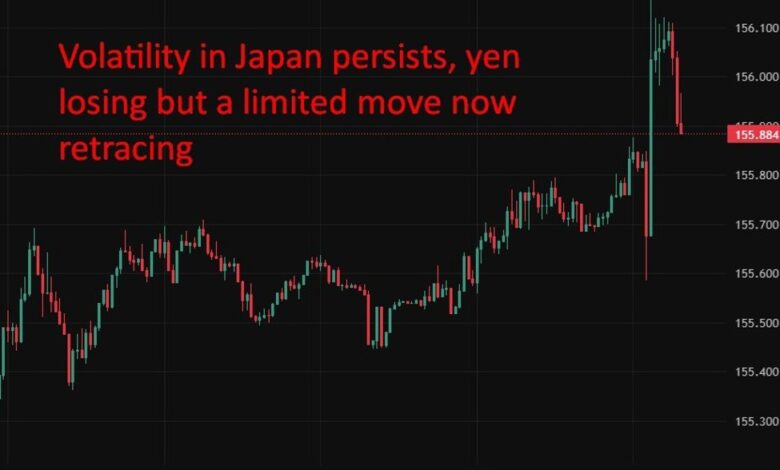
The yen initially strengthened very small following the announcement but quickly gave back those gains, a move attributed by some to thin liquidity conditions amplifying short-term price action rather than a change in fundamentals. A number of analysts argued that a durable recovery in the yen would require a combination of more assertive BoJ guidance, credible fiscal discipline from policymakers and a more supportive external backdrop, particularly a softer U.S. dollar.
Others emphasised that the BoJ is likely to remain gradualist in normalising policy, given Japan’s long history of near-zero rates and the economy’s sensitivity to higher borrowing costs. From this perspective, the central bank is expected to signal future changes well in advance, reducing the risk of disruptive market reactions.
In credit markets, some participants expect Japanese corporates to increasingly seek funding in offshore U.S. dollar markets rather than domestically, potentially lifting issuance volumes. However, they noted that any pressure on credit spreads could be offset by solid economic growth, strong corporate balance sheets and sustained investor demand for Japanese credit.
Rates strategists largely downplayed the impact on Japanese government bonds, arguing that supply-and-demand dynamics — including issuance patterns — are likely to remain the dominant driver rather than macro policy shifts. With much of the expected terminal rate already priced in, further JGB weakness may be limited.
Looking ahead, opinions diverge on the yen’s medium-term path. Some see scope for renewed weakness as carry trades reassert themselves, while others argue that Fed easing and higher hedging ratios by Japanese investors could support the currency over time. For now, markets await further clarity from Governor Ueda on how cautiously the BoJ intends to proceed into 2026 and beyond.